
Torsion Spring Systems
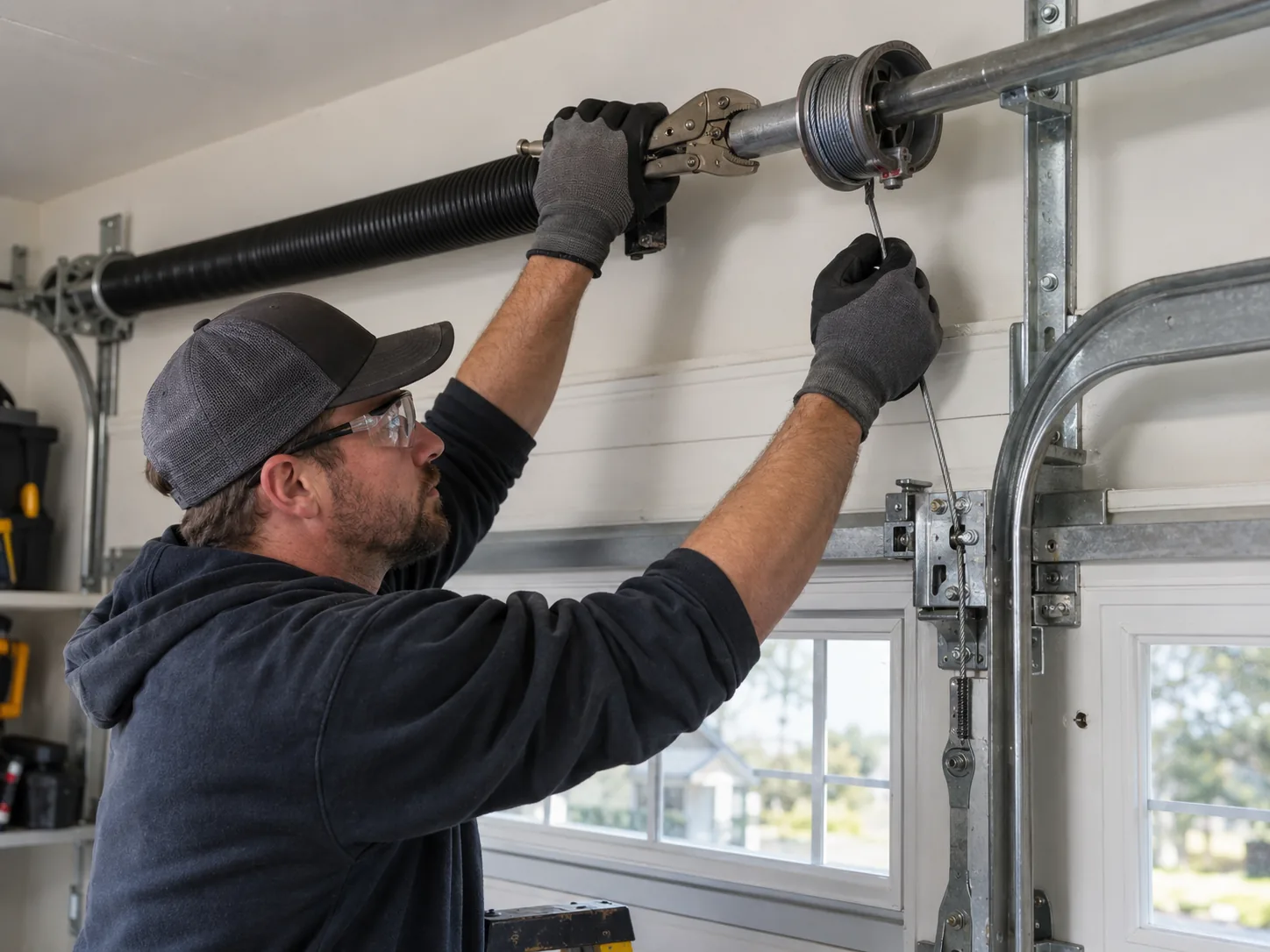
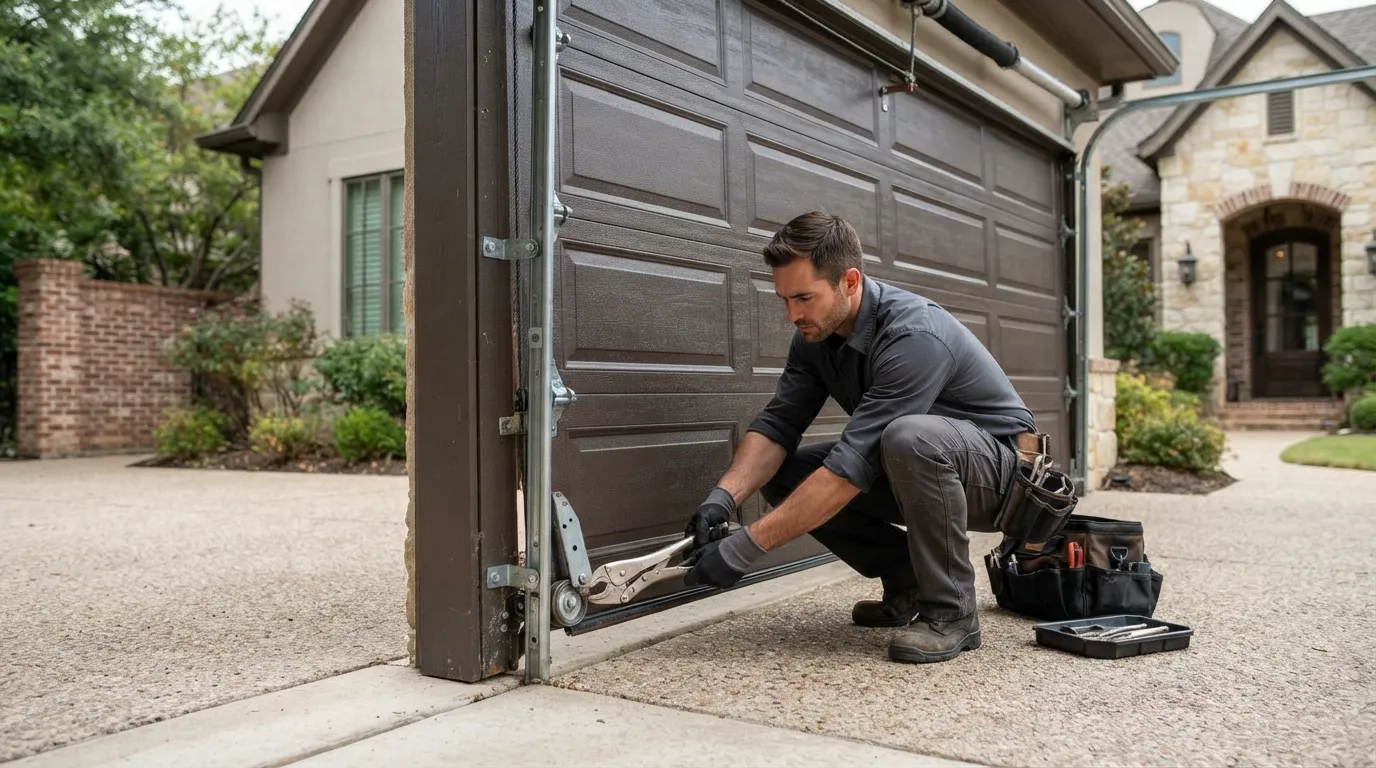
Spring size and configuration should be matched directly to the actual weight and construction of the installed door.
Local garage door service · Temecula, CA
Garage door repair and installation for Temecula homes built mostly between 1975 and 2009, covering cable repair, emergency service, opener installation, panel replacement, roller replacement, and the 1980s- and 90s-era systems common across the area.
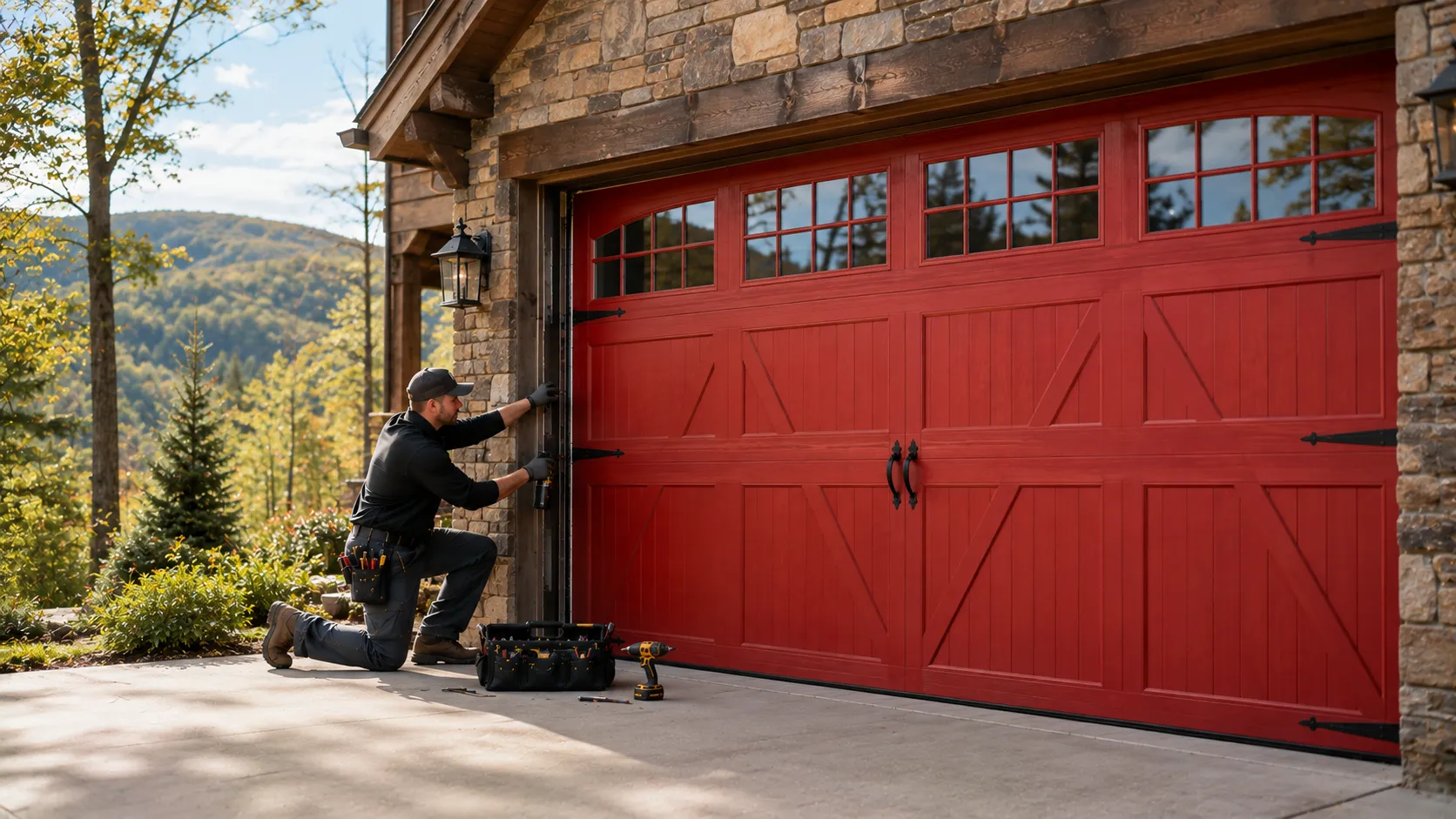
Garage door services
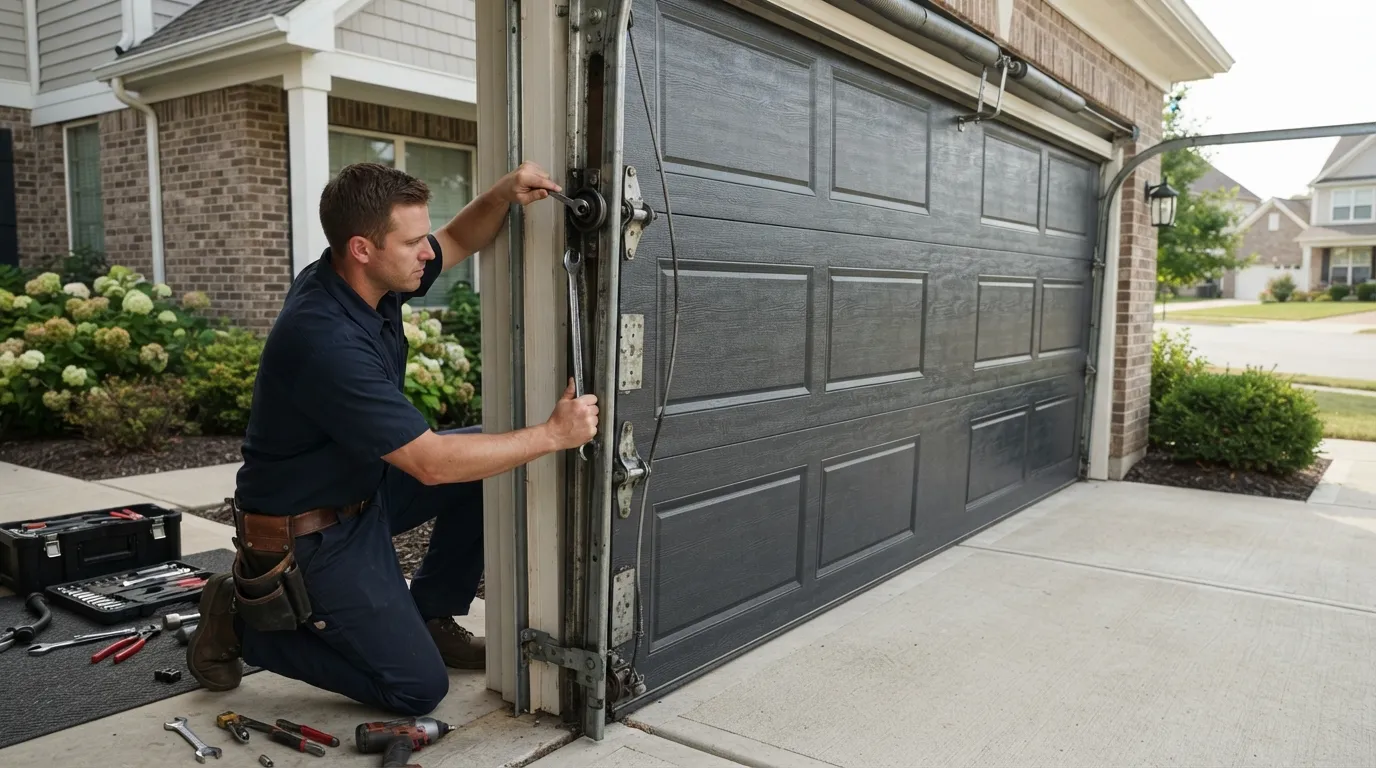
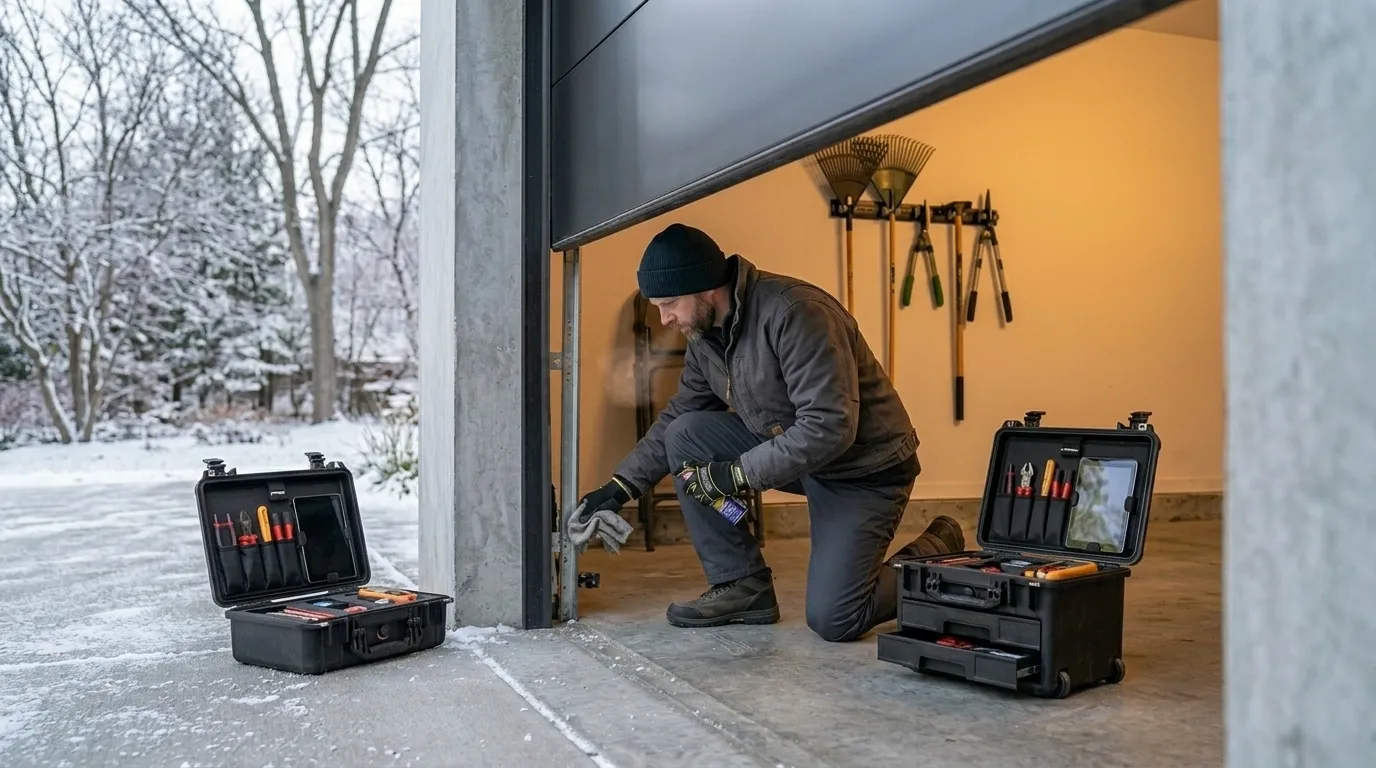
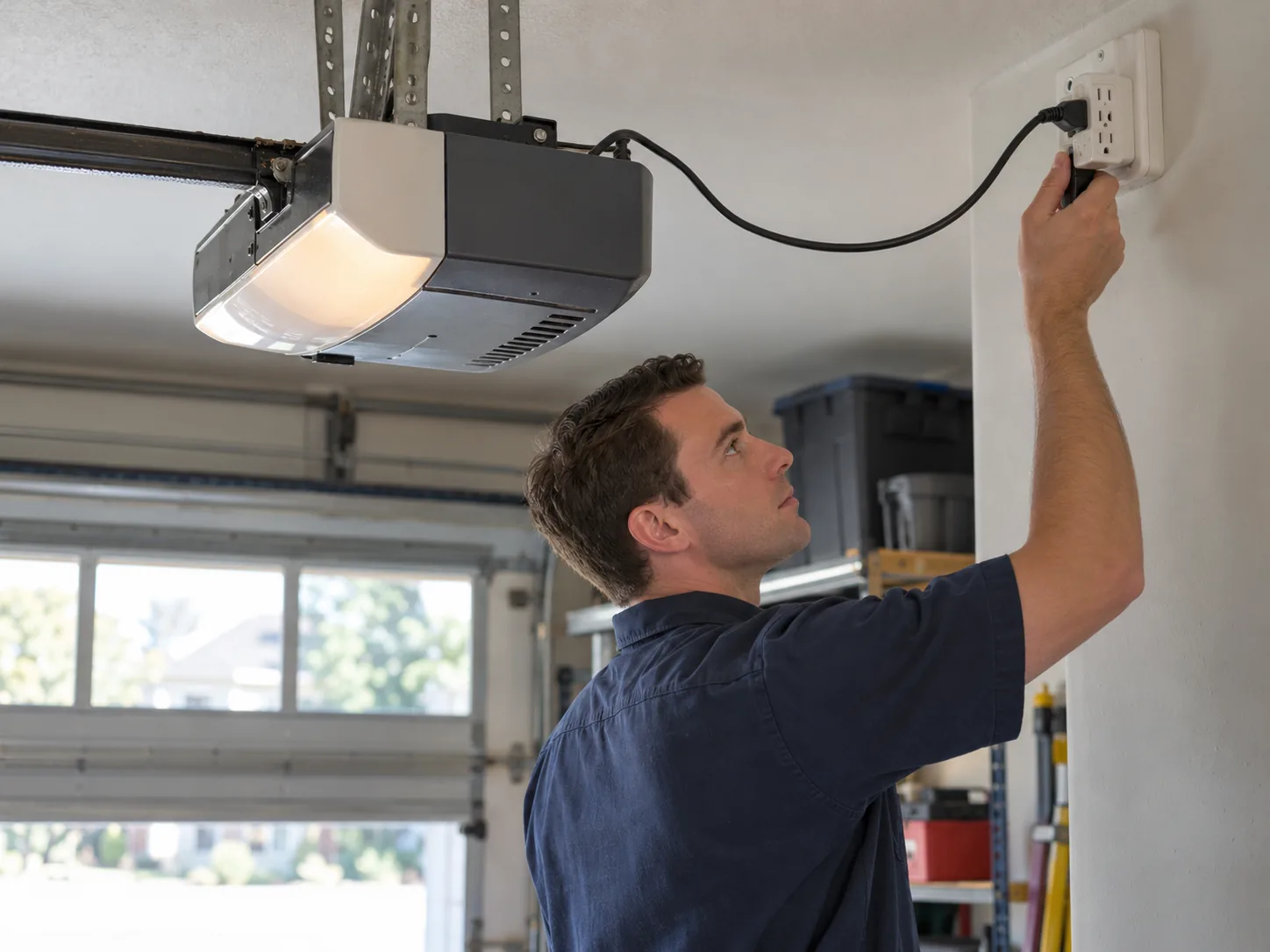
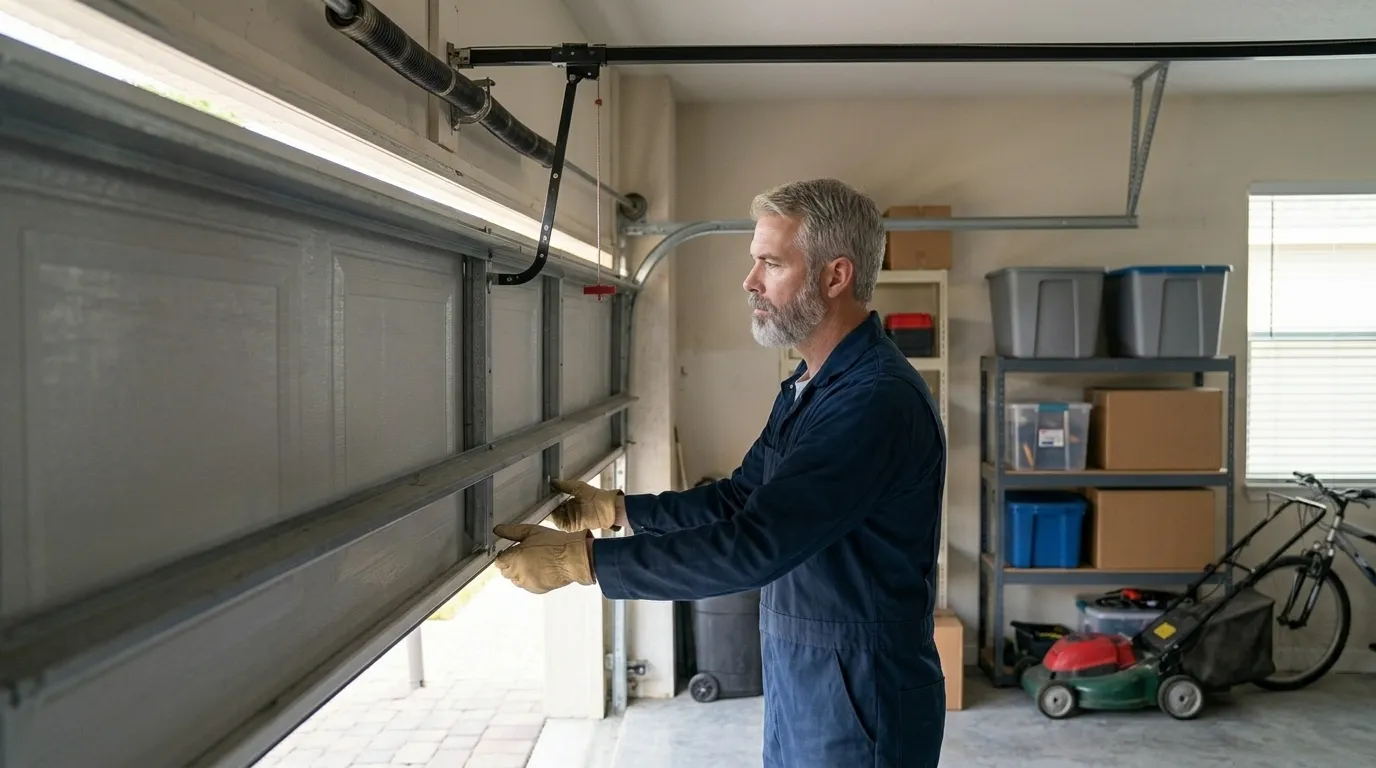
From cable repair and emergency service to installation, opener work, panel replacement, roller replacement, and general garage door service, the lineup is built around the systems common across Temecula's 1980s- and 90s-heavy housing stock.
Local housing matters
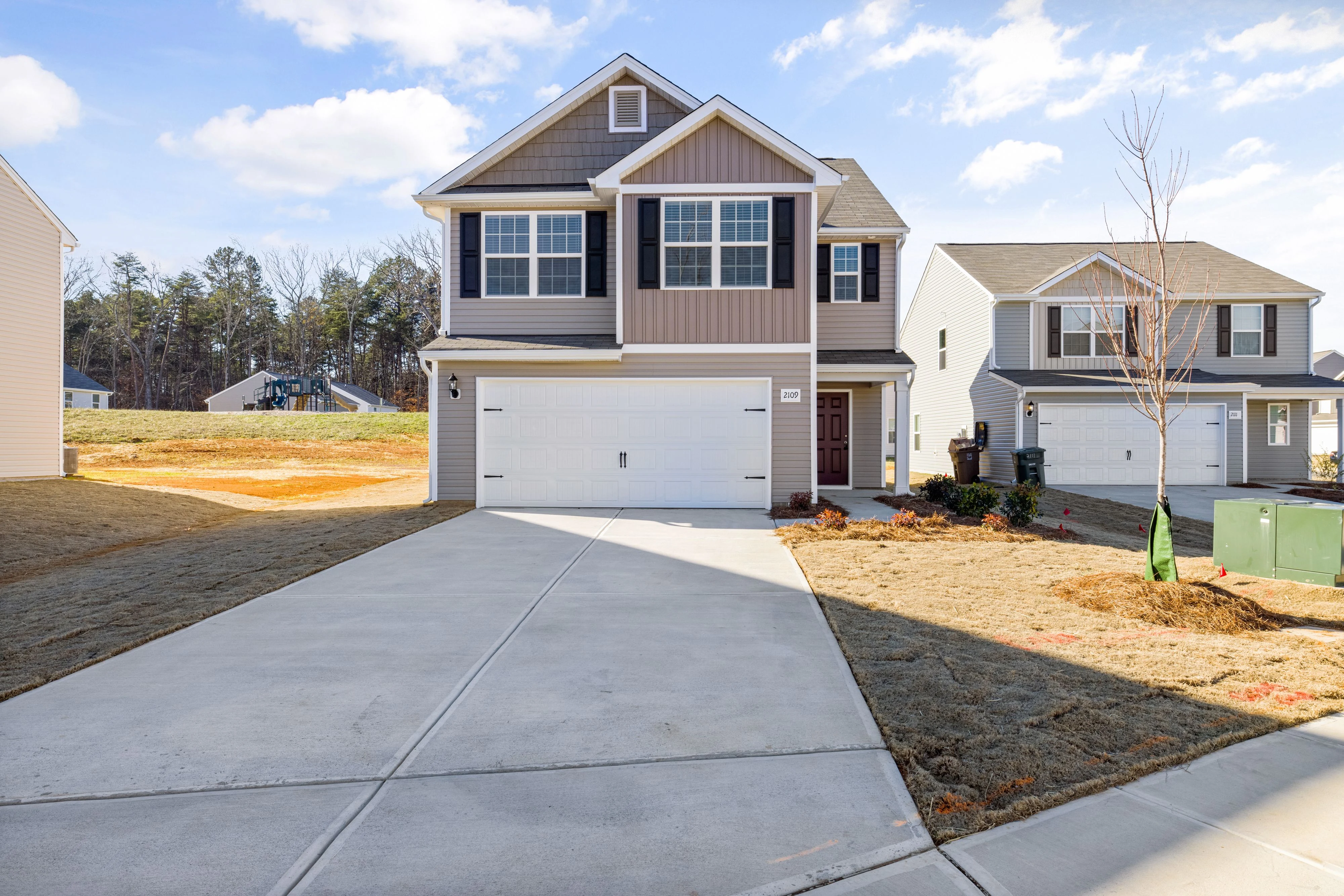
The broader source service area is dominated by homes built between 1975 and 2009, with a median build year around 1984 and much of the housing concentrated in the 1980s and 90s.
That creates a large number of two-car garages with steel sectional doors, torsion systems, electronic openers, rollers, cables, tracks, and replacement hardware from several generations.
The source describes roughly twenty named areas across the broader Temecula service territory sharing much of the same tract-home construction pattern.
Many components from this build era remain serviceable, but the correct spring, drum, opener mount, roller, or track part still needs to match the actual installed system.
The build year provides useful context, but the repair should be based on the hardware in the garage today.
1980s–90s garage door systems
Homes concentrated around the 1980s and 90s can combine older torsion hardware, original tracks, replacement openers, steel sectional panels, and several generations of service work.
Spring size and configuration should be matched directly to the actual weight and construction of the installed door.
Some openers from this era can develop logic-board, drive-gear, control, or sensor problems as components age.
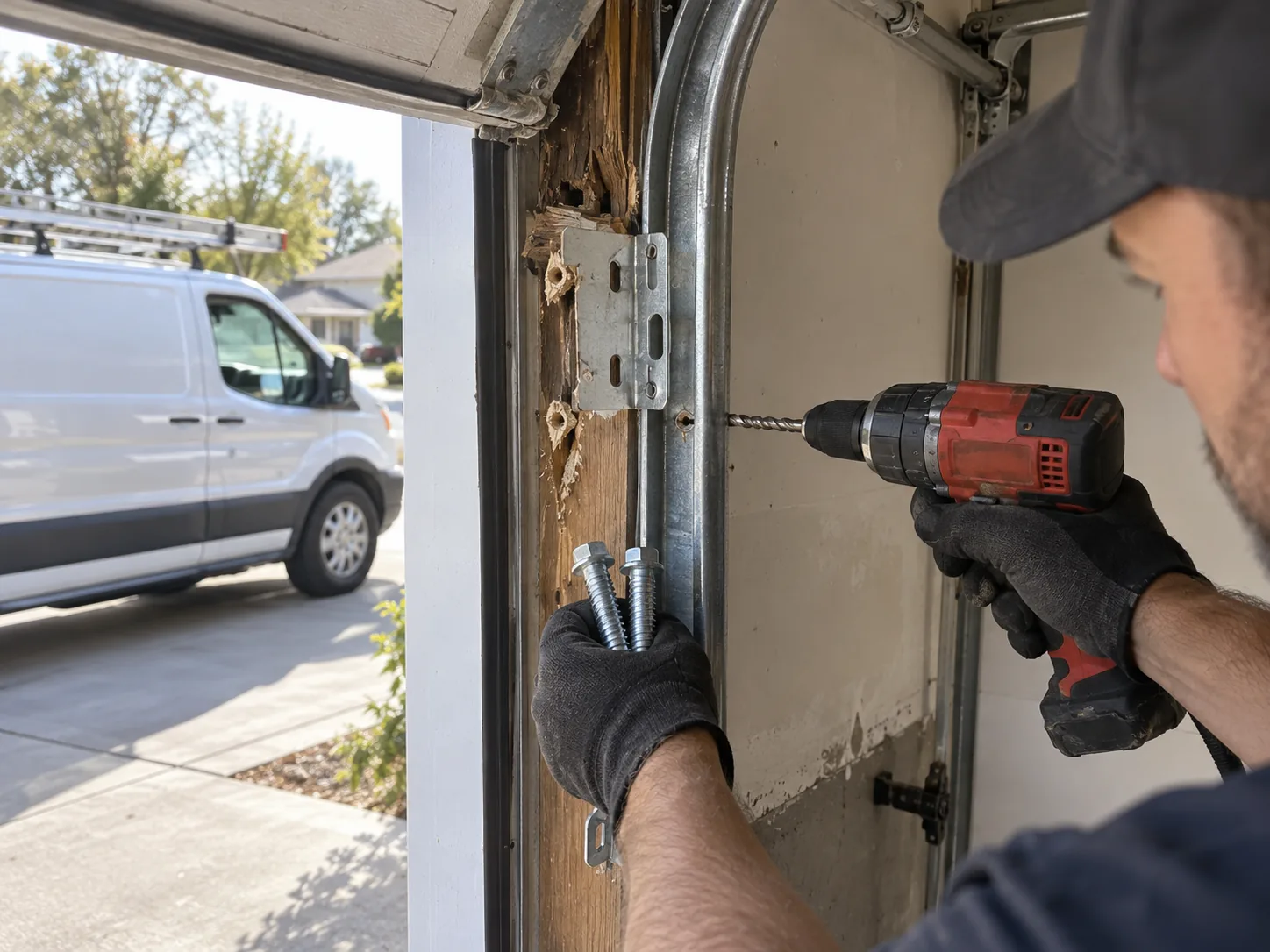
Heavy daily use can gradually wear rollers and track hardware even when the panels remain structurally sound.
A garage may have a newer opener or panel while retaining older springs, tracks, cables, rollers, or brackets.
Built around Temecula garage doors
We diagnose the specific door in front of us rather than treating every garage as a current-model system.
Spring wind, drum size, door weight, track condition, roller type, and opener hardware should be checked directly.
Some early opener logic boards and related components may be obsolete or difficult to source.
If the structure remains sound and one component is the actual failure, complete replacement isn't the default.
We avoid unsupported claims about fleet size, founding year, or other business credentials that weren't provided.
Common Temecula garage door problems
Worn springs, aging opener components, track and roller wear, cable problems, off-track doors, and panel dents make up much of the work across Temecula's housing stock. Broken torsion springs are a recurring need across doors installed during the 1980s and 90s building period; older openers develop logic-board, drive-gear, sensor, or control failures while the door itself remains serviceable; rollers and tracks wear after years of heavy daily use, sometimes leading to grinding, rough travel, or a door leaving its track; and panel dents from vehicles or impacts are common but often stay cosmetic when the section is structurally sound — so the correct repair depends on inspecting the entire system rather than assuming one visible symptom tells the whole story.
Garage door springs eventually reach the end of their useful cycle life after years of repeated opening and closing.
Older opener boards, gears, motors, sensors, controls, and drive components can eventually develop operating problems.
Rollers can become noisy, rough, damaged, or resistant after years of regular track travel.
Cable wear, roller problems, impact, or alignment issues can affect how smoothly and safely the door travels.
Dents and other impact damage can affect appearance and, when severe enough, can interfere with reliable door travel.
What to expect
We start with what the door is actually doing, use the symptoms to point toward the likely cause, inspect the installed hardware before quoting, and set a clear parts expectation when older components need sourcing.
Tell us whether the door won't open, opens only partway, made a loud bang, or the opener runs without moving the door. That symptom is the starting point.
The symptoms can help point toward springs, cables, rollers, tracks, opener electronics, sensors, or another operating component.
We look at the installed spring, drums, tracks, rollers, opener, panels, and surrounding hardware before quoting the repair.
Straightforward repairs may be completed during the visit, while obsolete or uncommon components can require additional sourcing.
Obsolete Parts Can Change the Repair Path
Some older opener logic boards or other discontinued components may be difficult enough to source that replacement becomes more practical.
Clear repair guidance
There isn't one flat repair price, because cable repair, emergency service, opener work, panel replacement, roller replacement, and complete door installation involve different parts and labor.
Spring size, door weight, opener condition, track damage, roller wear, panel condition, and parts availability can all change the scope.
Median household income across the broader service area runs around $88,879, but the price still comes from the door in front of us.
We inspect the actual system and provide the repair number before work begins rather than giving a final price sight unseen.
If a repair approaches the practical cost of broader replacement, we explain that tradeoff before proceeding.
Local garage door wear
The area is mild temperate, so most wear comes from normal cycle use, daily operation, impact damage, lubrication, alignment, and component age rather than corrosion or severe temperature swings.
Repeated opening and closing remains the main source of long-term spring fatigue on local doors.
Heavy daily use can gradually wear rollers and make door travel noisier or rougher.
Impact, worn rollers, loose hardware, or long-term use can affect track alignment over time.
An opener can work harder when spring, roller, track, or balance problems are already making the door difficult to move.
Repair or replace?
Many Temecula garage doors remain practical repair candidates when the structure is sound. Replacement becomes more sensible when major damage, obsolete parts, or several aging components make another repair poor value.
A targeted repair can make sense when the panels, tracks, opener, cables, and surrounding structure remain serviceable.
An older steel sectional door can remain worth keeping when the panels and supporting hardware are still structurally sound.
Replacement can become more practical when an older opener needs a control board or other component that is no longer reasonably available.
If panels or tracks can no longer hold reliable alignment, broader replacement can offer better long-term value than repeated repairs.
Service areas
Questions
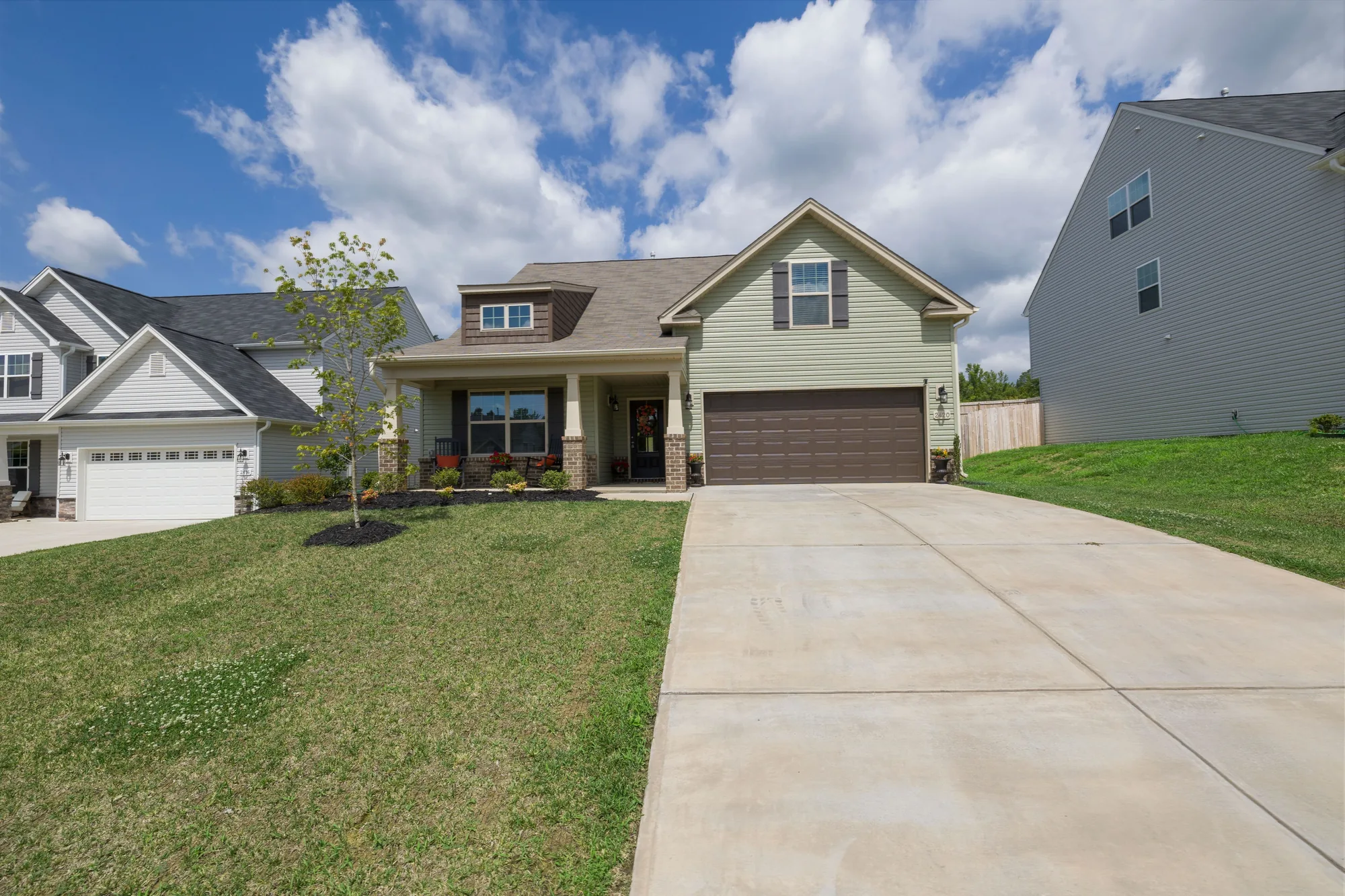
Housing across the area was mostly built between 1975 and 2009, with a median build year around 1984. If your house falls in that window, there's a good chance your door and opener are original to that era, which affects what spring size and hardware we bring on the call.
We reach the closer parts of the service area, including places like Rainbow and French Valley within about six to eight miles, and further out toward Fallbrook, Pala, and Wildomar. Same-day service is easiest within that closer radius.
The mild temperate climate here doesn't put doors through the freeze-thaw cycles or sustained humidity that cause corrosion in other regions. Most failures we see are mechanical - worn springs, tired rollers, aging opener parts - rather than rust or rot.
We can give you a general idea based on what you describe, but the real number depends on spring size, door weight, and opener condition. We confirm the price on site before doing any work, not after.
Ready when you are
Tell us what the door is doing and we'll help you figure out whether you're dealing with a cable, opener, panel, roller, emergency problem, installation need, or another aging component in the system.