
Temecula, CA
Garage Door Repair Built Around Temecula's Housing Stock
Temecula homes built between 1975 and 2009 share the same aging torsion springs and nylon rollers. We fix what actually breaks in this housing stock.
What we do
Garage door work in Temecula
Local detail
What Causes It Around Here
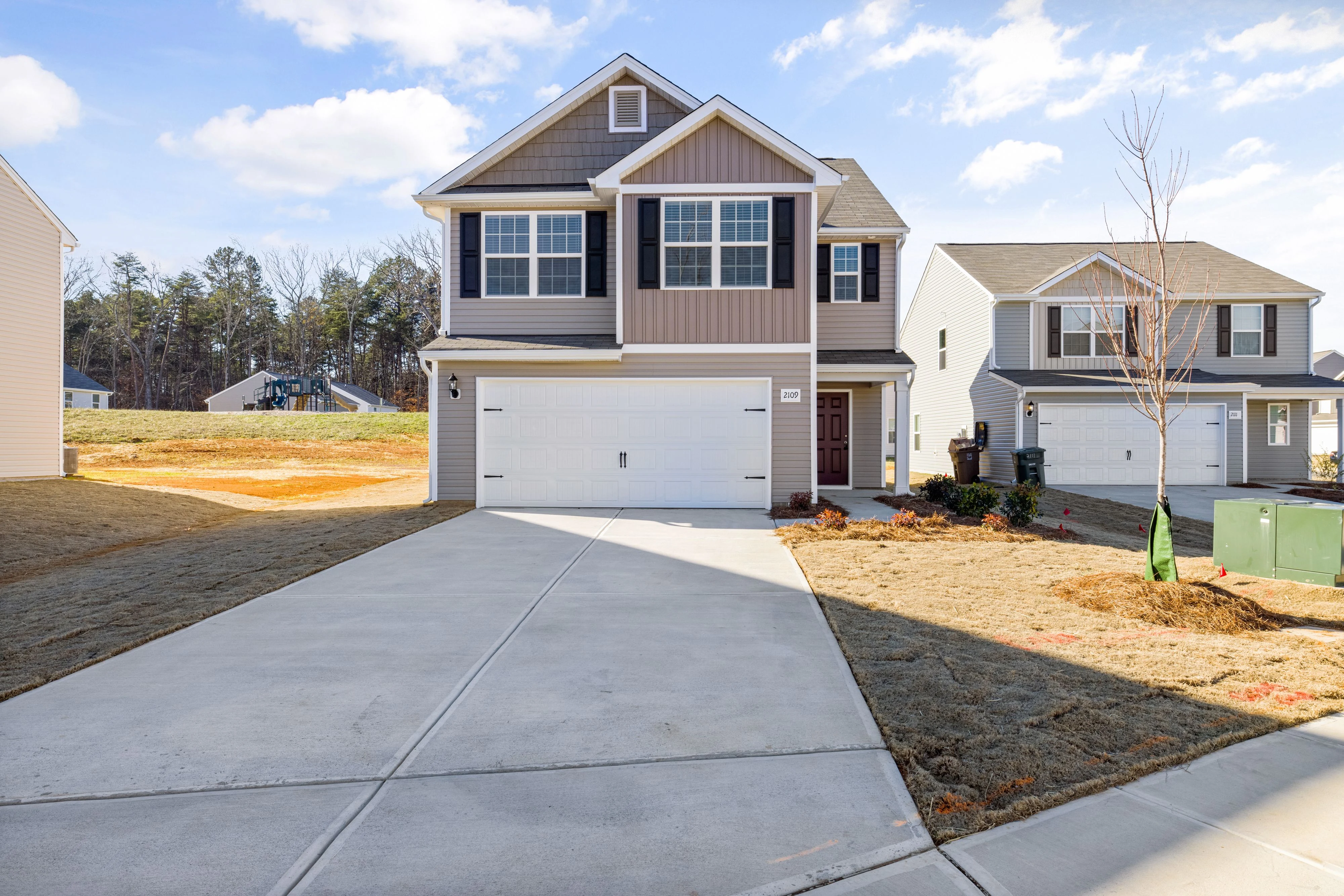
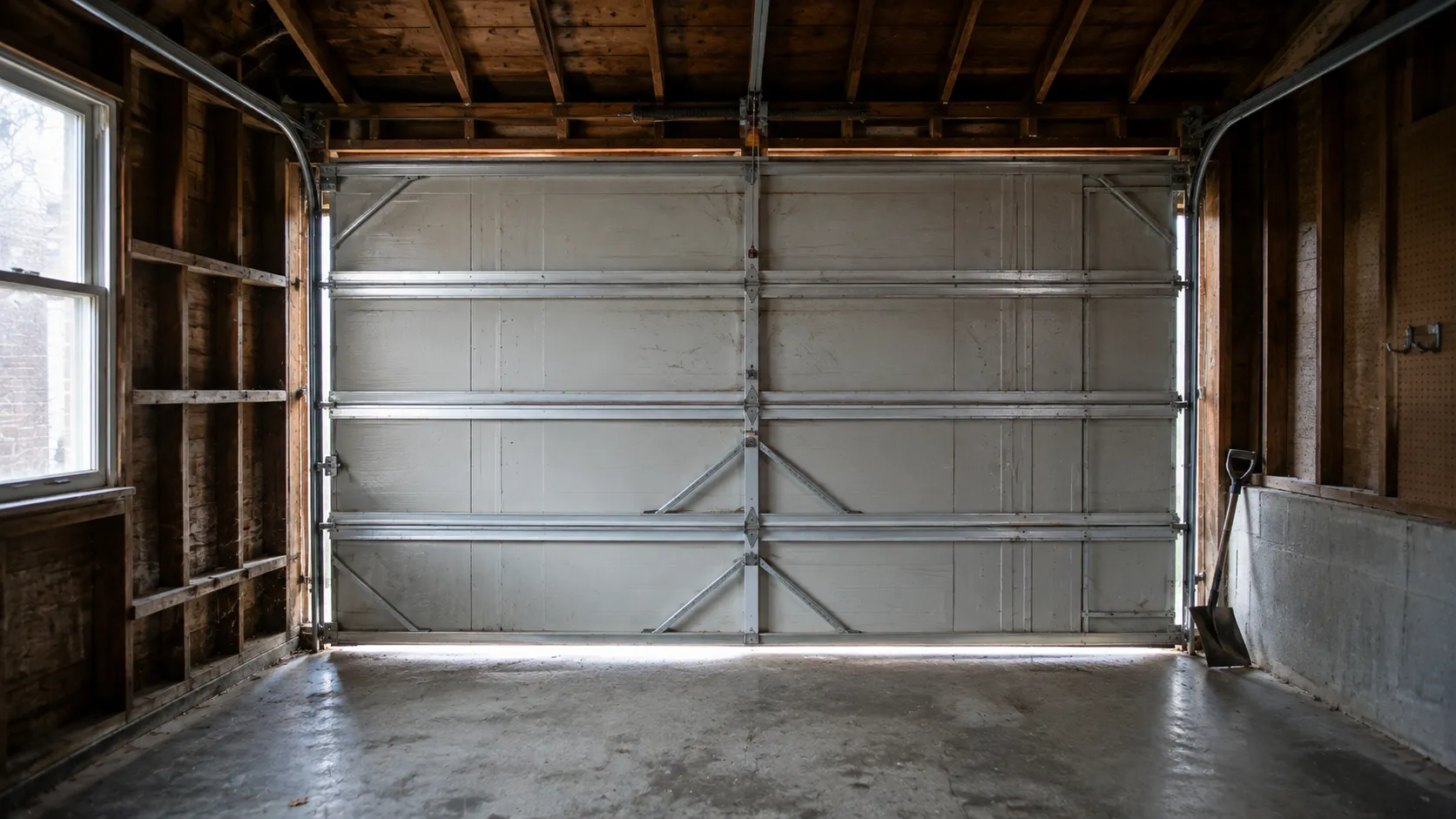
Most of the housing across this service area went up between 1975 and 2009, with the median build year landing around 1984. That means a huge share of the doors we get called on are original or close to it - torsion springs rated for roughly 10,000 cycles that have quietly aged past their useful life, galvanized cable that's starting to fray at the drum, and nylon rollers that have gone brittle from age rather than rust.
That last part matters because of the climate here. Temecula sits in a mild temperate band, so we don't see the rapid corrosion that coastal or humid regions deal with. Springs here don't rust through - they fatigue. The steel just gets tired from thousands of open-close cycles and lets go, often on a door that still looks fine from the outside. Heat cycling through the day also dries out lubricant faster than owners expect, which is part of why a door that was quiet in spring starts grinding by August.
Across the 20 named communities in this service area, the pattern repeats: 1980s and 90s construction, original hardware, and a spring or roller system that's now well past its rated life. It's not damage from weather events - it's straightforward mechanical wear on doors installed during the region's biggest building decades.
The area
The Cost of This Job
We don't post a flat number here because the honest answer depends on what's actually failed - a single torsion spring is a different job than a full opener swap or a bent track that needs the door realigned. What we can tell you is that most of the work we do traces back to original hardware from the 1980s and 90s housing boom, and replacing a 30-plus-year-old spring or roller set with correctly rated parts is usually the more sensible move over patching around a symptom.
One honest limitation: if your opener is old enough that the circuit board is no longer supported, we won't chase a repair on it just to bill more time. At some point a full opener replacement costs less over the life of the unit than repeated service calls on a board that's on its way out. We'll tell you which side of that line your job is on before we start.
What we find
How Long It Takes
A torsion spring replacement or roller swap on a standard residential door is a same-visit job in most cases - it's mechanical work on a system we've seen hundreds of times in this exact vintage of housing. What extends a visit is usually the track alignment or a bent panel that came with the original failure, since a spring that snaps under tension can knock a door out of square on the way down.
We don't promise a specific arrival window here because we haven't published one, but the repair itself, once a tech is on site, is typically hours, not days - unless a part has to be special-ordered, which happens more often on older or discontinued opener models than on the spring and cable side.
How we work
How It Shows Up
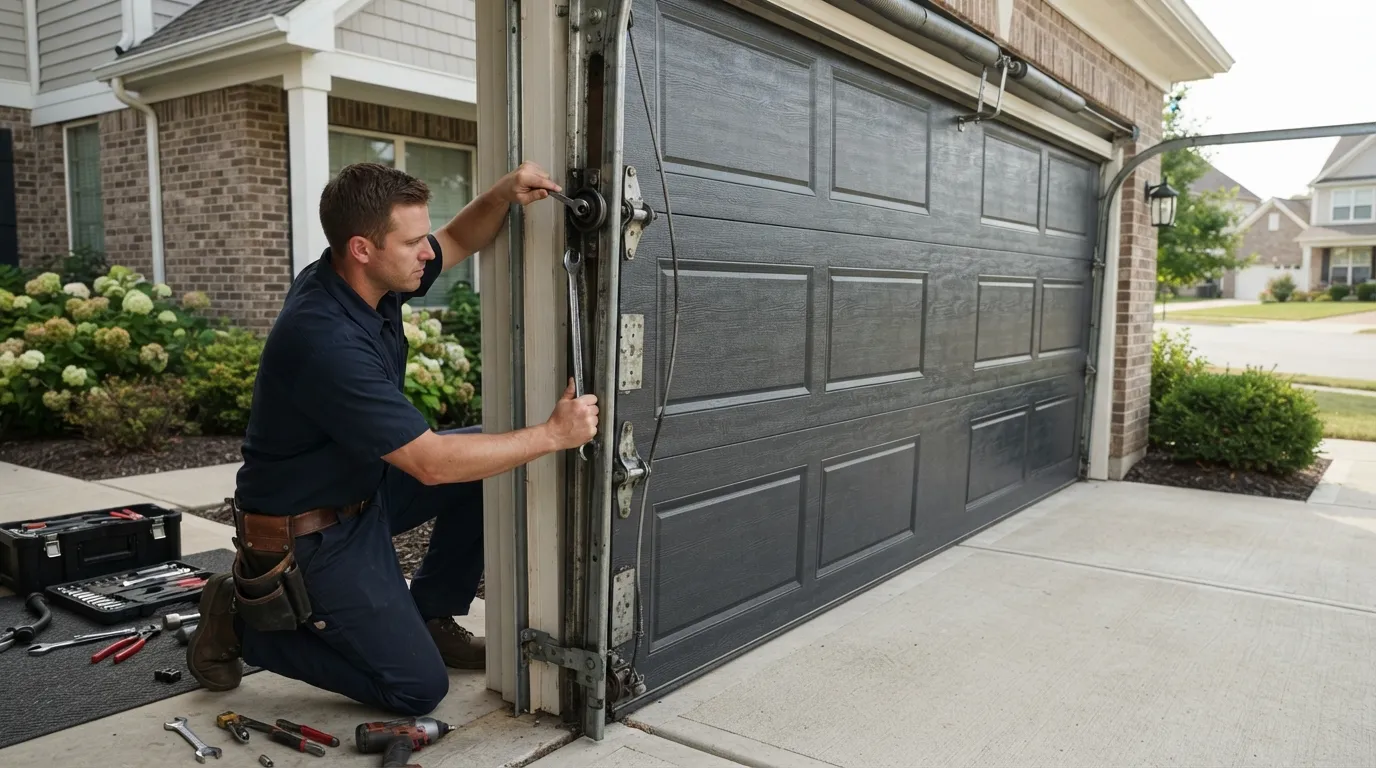
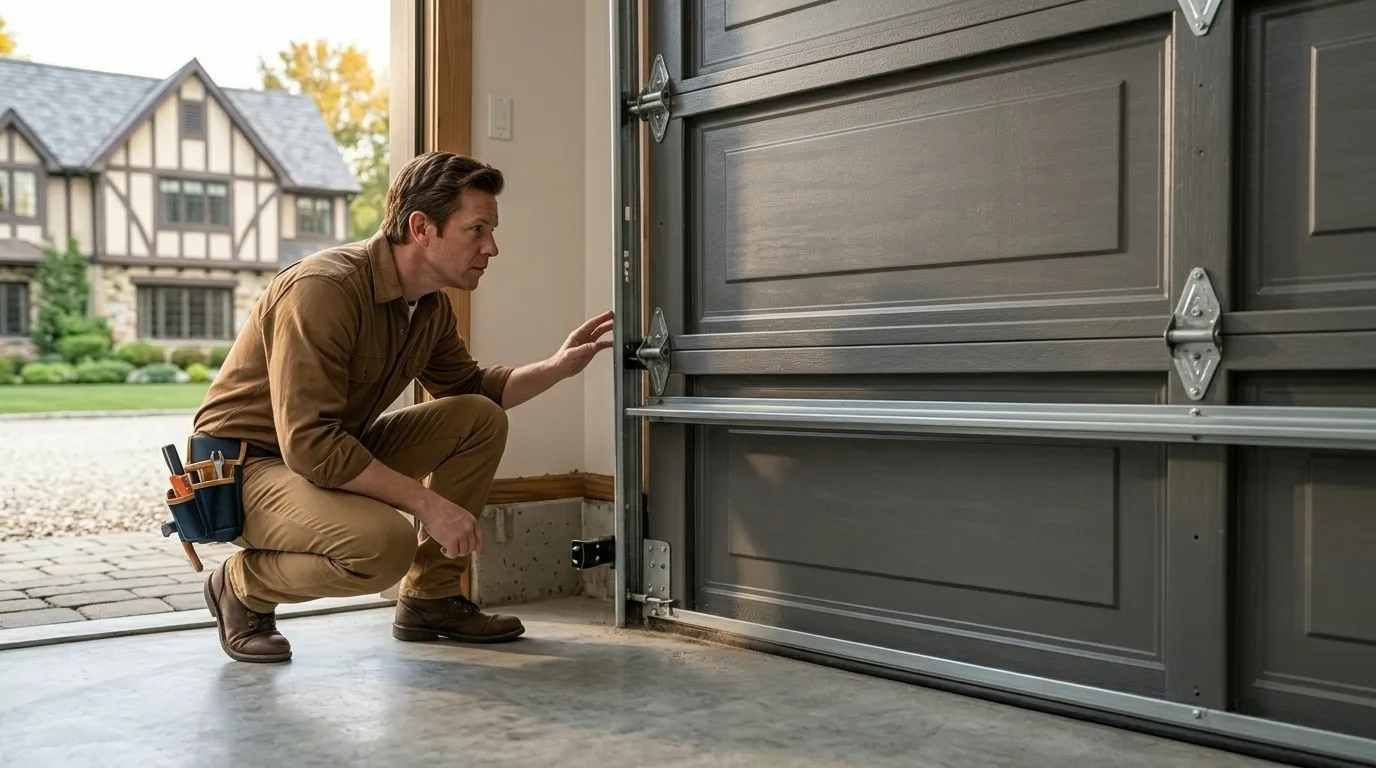
The most common call we get is a door that won't budge and a spring visibly separated at the middle of the shaft - that's a torsion spring gone, and on 1980s-90s stock it's almost always the original one. Second most common: a door that opens but grinds, shudders, or drags partway through the cycle, which usually points to a cracked nylon roller or a track that's slightly out of alignment from age rather than impact.
A slower, quieter version of this shows up as an opener that runs longer and hotter than it used to, or that reverses partway up for no clear reason - often a sign the springs are under-lifting the door's actual weight and the opener motor is compensating. In a mild climate like this one, rust rarely causes these symptoms on its own; it's cycle count and age doing the work. If you're hearing a loud bang followed by the door refusing to move, don't force it with the opener - that's almost always a broken spring, and running the motor against it can bend the track or strip the drive gear.
Questions
Common questions
Why do garage doors fail so often in Temecula specifically?
Most homes in this service area were built between 1975 and 2009, with a lot of the stock dating to the 1980s and 90s. That means original torsion springs and rollers are now decades past their rated cycle life. It's age and use wearing out the hardware, not rust or storm damage, since the local climate is mild and dry.
Do you serve areas outside Temecula proper?
We work across the surrounding communities including Rainbow, French Valley, Fallbrook, Pala, Wildomar, Sage, Canyon Lake, Bonsall, Winchester, Aguanga, Green Acres, Lakeland Village, Homeland, Lake Elsinore, Meadowbrook, Hidden Meadows, Romoland, Warm Springs, Valley Center, and East Hemet.
Is a broken spring something I can wait on?
No. A broken torsion spring means the opener is lifting the full weight of the door alone, which strains the motor and drive gear fast. Don't run the opener once you notice a gap in the spring or hear a loud bang - call it in before you try to force the door up or down.
Ready when you are
Need a garage door sorted in Temecula?
Temecula Garage Door Pros repairs and installs garage doors, springs and openers in Temecula, CA and the surrounding area.