
Valley Center, Temecula CA
Garage Door Repair for Valley Center, CA
Serving Valley Center homes built mostly around 1983, from torsion spring swaps to opener repairs. Temecula Garage Door Pros travels the 19 miles out to you.

Local detail
This Area's Housing
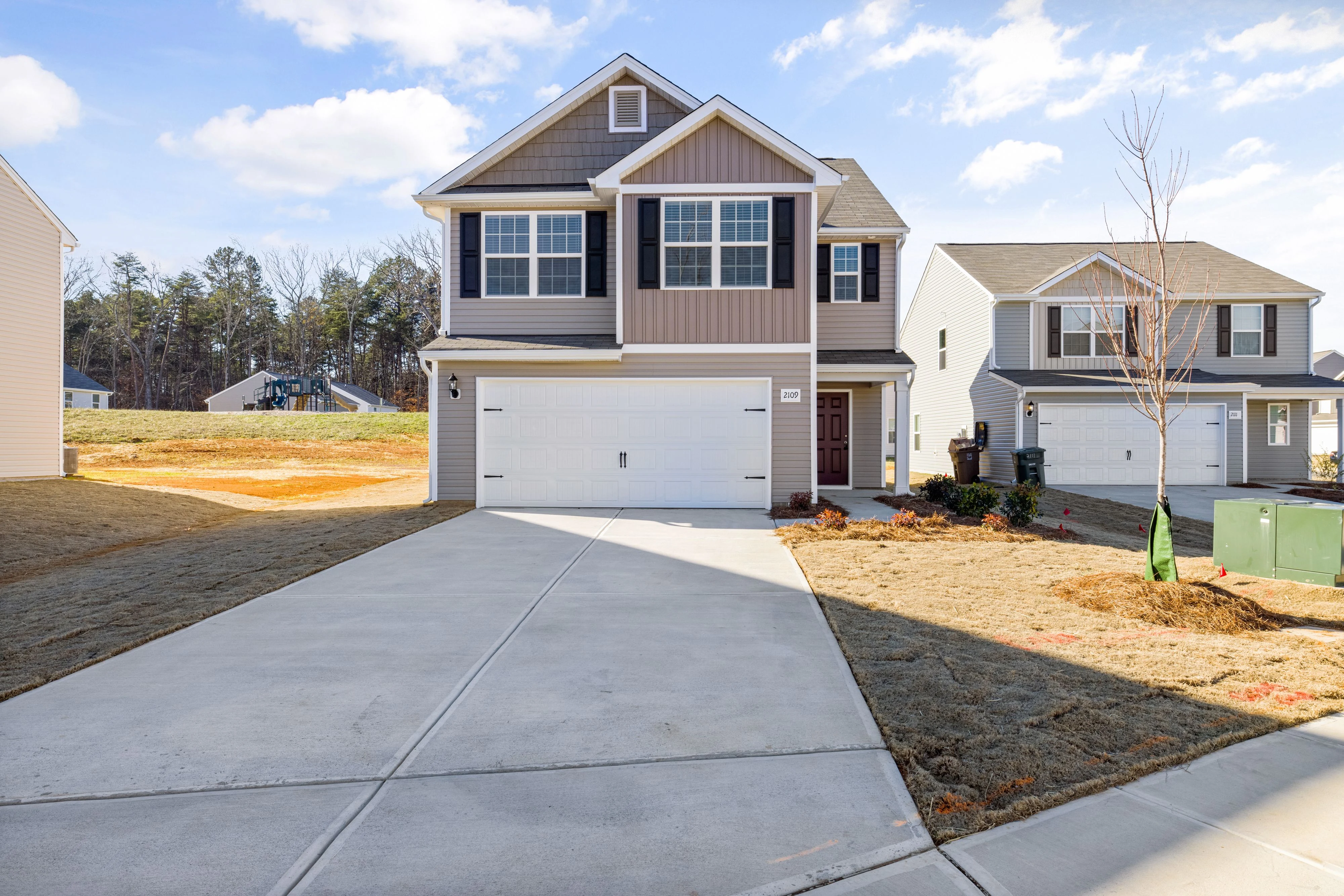
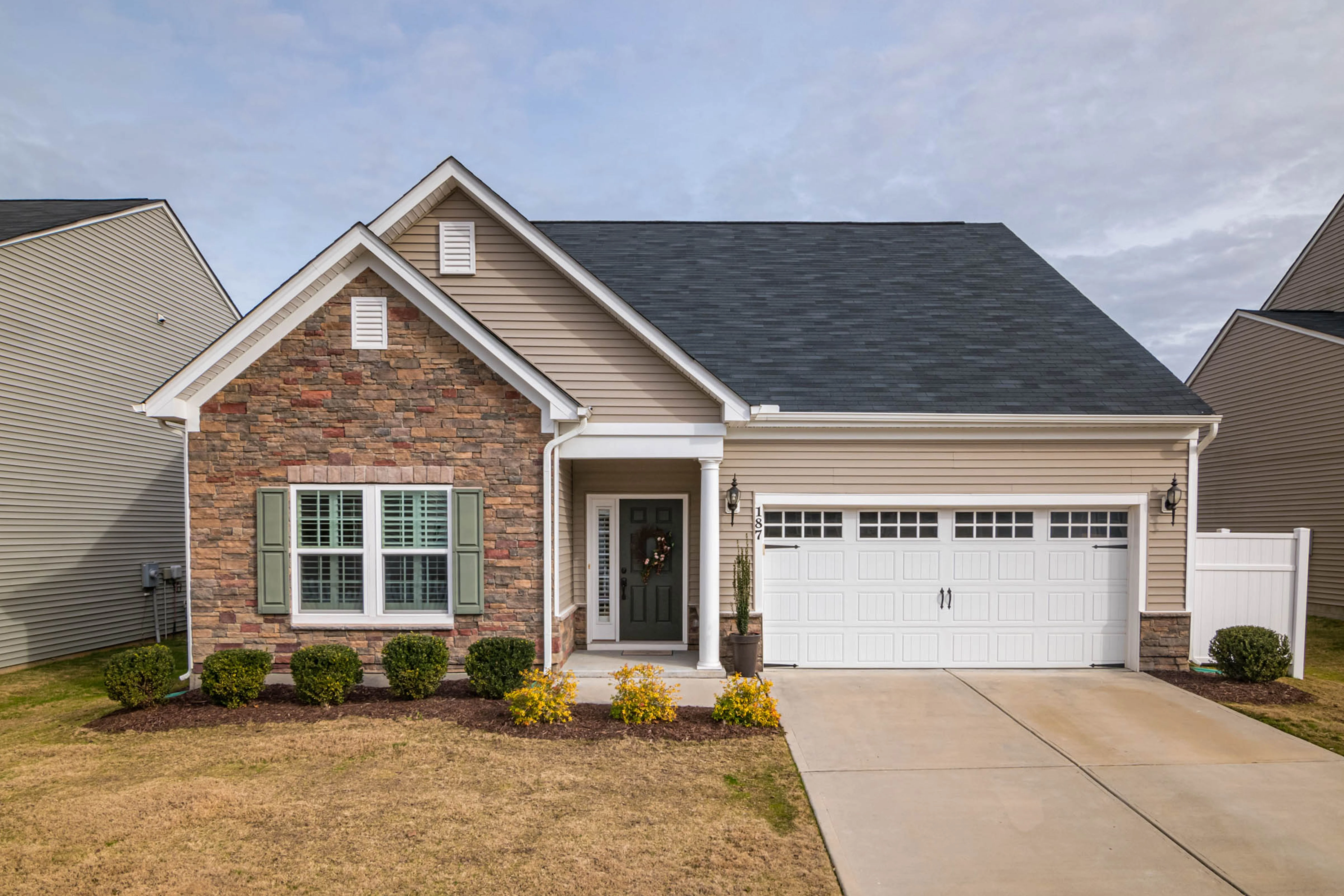
Valley Center's houses cluster tightly around 1983 as a median build year, which puts most garage doors here on hardware that's now pushing four decades old. That's a narrower band than you see across the wider service area, where construction stretches from 1975 out to 2009 with a median around 1984. With about 3,016 households out here and a median income of $116,620 - well above the broader area's $88,879 - a lot of these homes were built with mid-grade doors and openers that were fine for their era but weren't made to last fifty years.
What that means in practice: steel doors from this window often have thinner gauge panels than what's sold today, and the torsion springs sized for them were rated for a lifecycle that's long since run out on original equipment. If your door still has its factory opener, it's likely a chain-drive unit from before modern safety-reversal standards tightened up, which is worth knowing if you've got young kids or pets in the garage.
The area
How That Shows Up in the Door
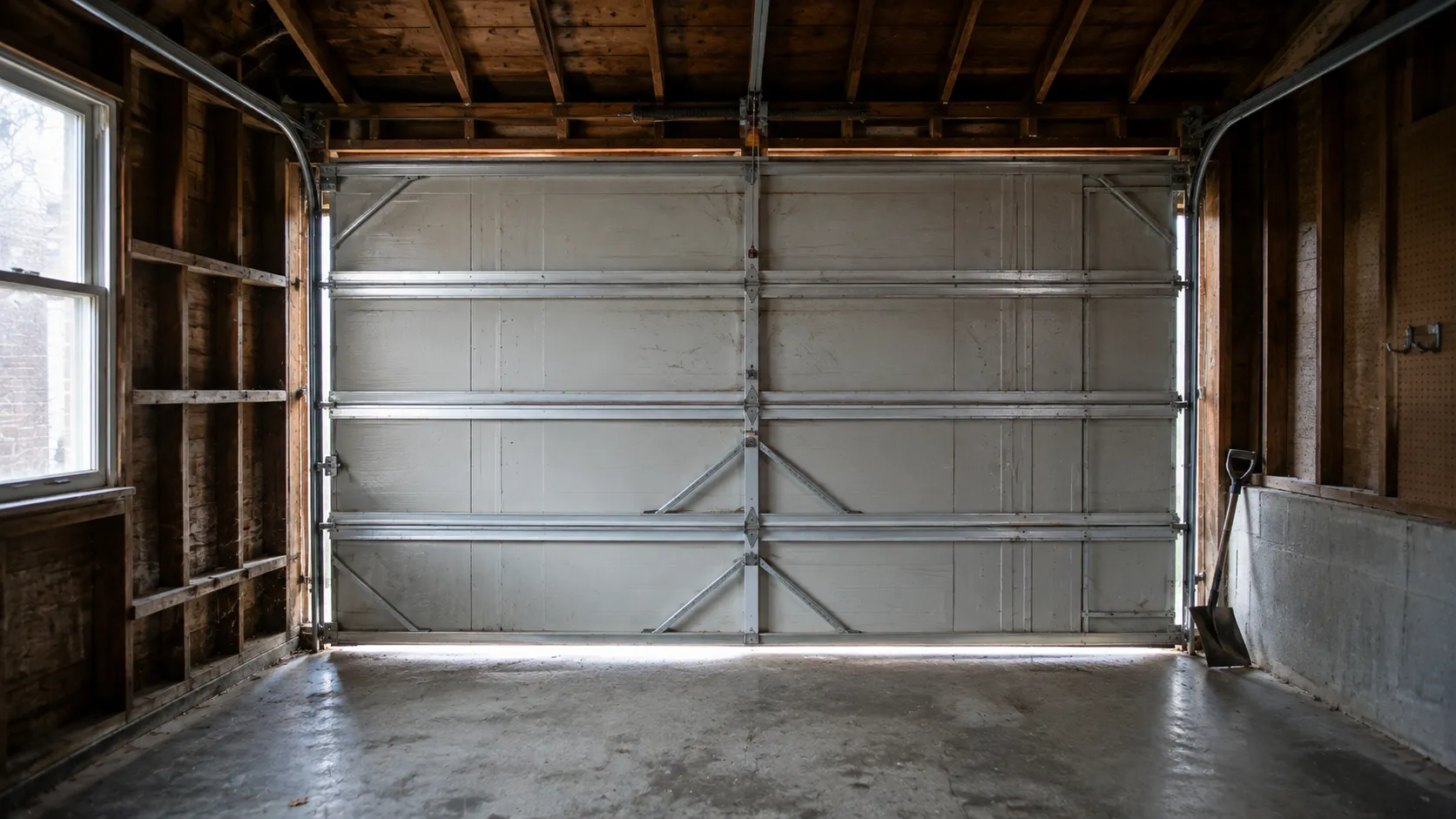
On a door installed around 1983, the failure pattern is predictable. Springs wound to that era's cycle counts are past due for replacement even if they haven't snapped yet - you'll hear it before you see it, usually a loud bang from the garage when a torsion spring lets go overnight. Rollers on original hardware tend to be nylon without sealed bearings, so they wear grooves into the track over the years and the door starts binding on the way up.
Cables fray at the drum end first, and on a house this age the drum itself may not match what's stocked on the truck for newer doors, which sometimes means a slightly longer job while the right size gets sourced. Openers from that build era rarely have battery backup or rolling-code security, so if yours cuts out during a power blip, that's consistent with age rather than a fluke. We're not going to tell you every 1983-era door is a ticking clock, but the parts on it are working well past their intended life, and that changes what a routine call usually turns up here versus in a newer subdivision.
What we find
Common Jobs Here
Given the housing stock, the calls out to Valley Center skew toward torsion spring replacement, roller swaps, and full opener changeouts rather than cosmetic panel work. A door that's binding or slow to close is more often worn hardware than a bad opener board, and that's usually where we start.
Honest limitation: if a door's steel has rusted through at the bottom panel or the track is bent badly enough that it's fighting the rollers, replacement is the better call than another repair, and we'll say so rather than patch something that'll fail again in a season. We also don't stock every drum size on the truck for older doors, so a same-visit fix isn't guaranteed if the part's uncommon - sometimes it's a return trip once the right piece is in hand.
How we work
Getting Here
Valley Center sits about 19 miles from our Temecula base, and we don't keep a depot or drop-in location out here - every job is a truck coming from Temecula to you. That distance is worth knowing when you're scheduling, since it's one of the longer runs in our coverage area alongside spots like Aguanga and Warm Springs, both also around 16-19 miles out. We still take the call and make the drive; just don't expect a five-minute response the way you might from a closer town like Rainbow at 6 miles or French Valley at 8.
Service areas
Other areas we cover near Valley Center
Questions
Common questions
Are garage door parts from the early 1980s still available?
Some are, some aren't. Standard torsion springs and rollers are easy to match by size, but original drums or track brackets from a 1983-era door sometimes need to be sourced rather than pulled off a shelf, which can mean a short delay on parts we don't carry on the truck.
Why did my spring snap with no warning?
Torsion springs are rated for a set number of open-close cycles, not a calendar date. A door built around 1983 with its original spring is well past typical lifecycle expectations, so a sudden snap is often just the spring finally reaching its cycle limit rather than a sign of something else going wrong.
Do you have a location in Valley Center?
No. We're based in Temecula, about 19 miles away, and travel out for every job. There's no local depot or drop-off point here, so all service is scheduled as a truck visit from our Temecula shop.
Is it worth repairing an opener this old or just replacing it?
If the opener predates modern safety-reversal and battery backup features, which is common on houses from this build era, replacement usually makes more sense than repairing a board or gear set on a unit that's already outdated on the safety side.
Ready when you are
Need a garage door sorted in Temecula?
Temecula Garage Door Pros repairs and installs garage doors, springs and openers in Temecula, CA and the surrounding area.