
Guide
What a broken spring costs you here, and why it happens when it does
What a Temecula spring job actually involves: 1980s-90s hardware, mild-climate stress cycles, and what drives cost on torsion springs built for this housing stock.
Local detail
The Cost of This Job
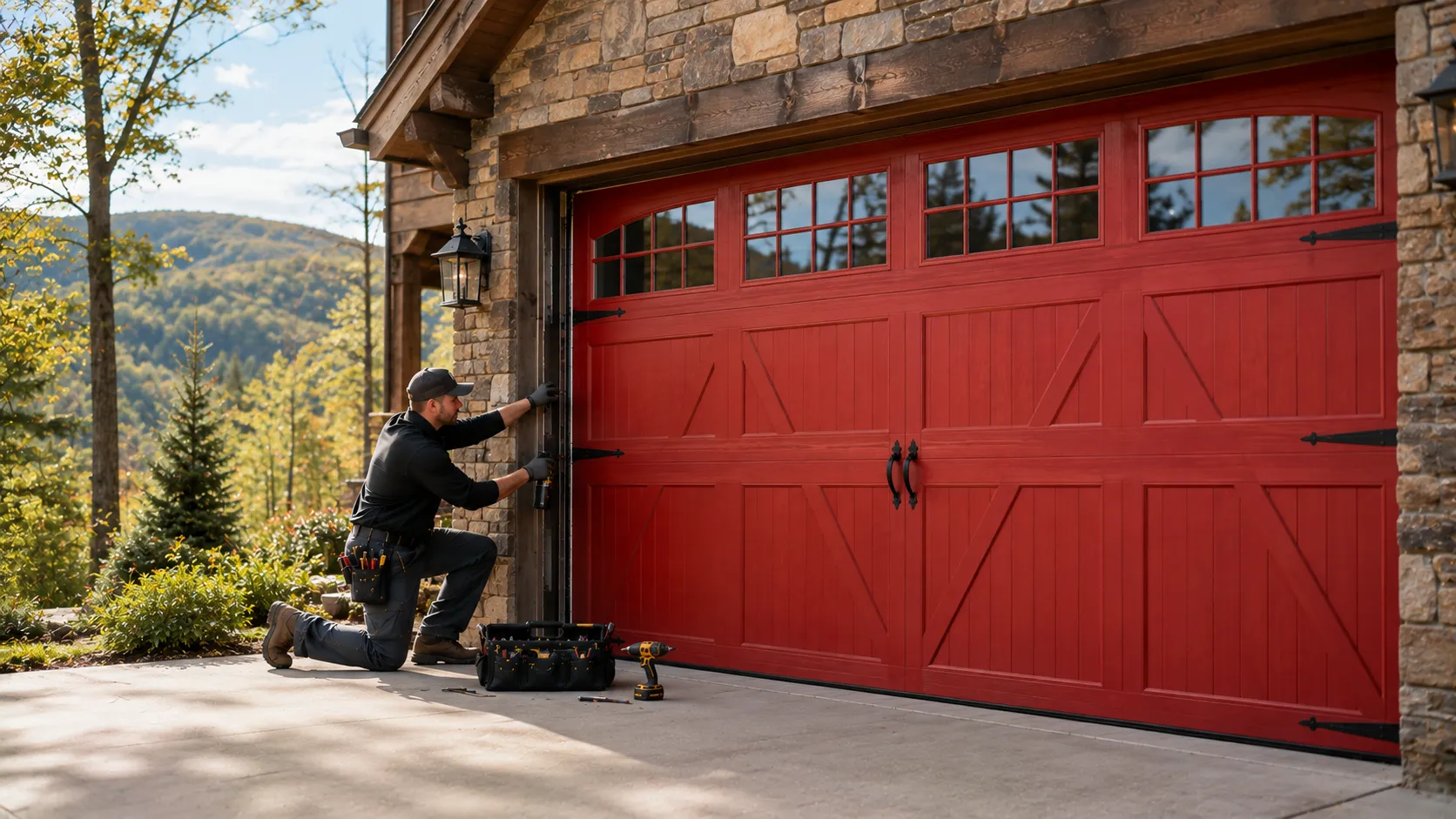
We don't post a flat number because no two springs cost the same to replace, and anyone who quotes you one over the phone hasn't seen your door. What we can tell you is what drives the number here. Most houses in this service area went up between 1975 and 2009, with the typical build year landing around 1984, and that median matters because it tells us what kind of spring system is already on your header. A door from that era usually has torsion springs, not the older extension-spring setups you'd find on a much older house, and torsion jobs price differently depending on wire size, drum size, and whether one spring failed or both need to go. With a median household income of $88,879 across the area's 47,581 owner-occupied houses, most owners here choose to replace both springs at once rather than the one that broke, since the second one is usually close behind on cycle count. That's a judgment call we walk through with you on site, not a rule we apply blind.
One honest limitation: if your door uses an odd-length or discontinued spring, sometimes from a builder-grade setup that's no longer stocked, we may need to order the part rather than carry it on the truck. That adds a day, not a week, but we won't pretend every job is same-visit.
The area
The Seasonal Bit
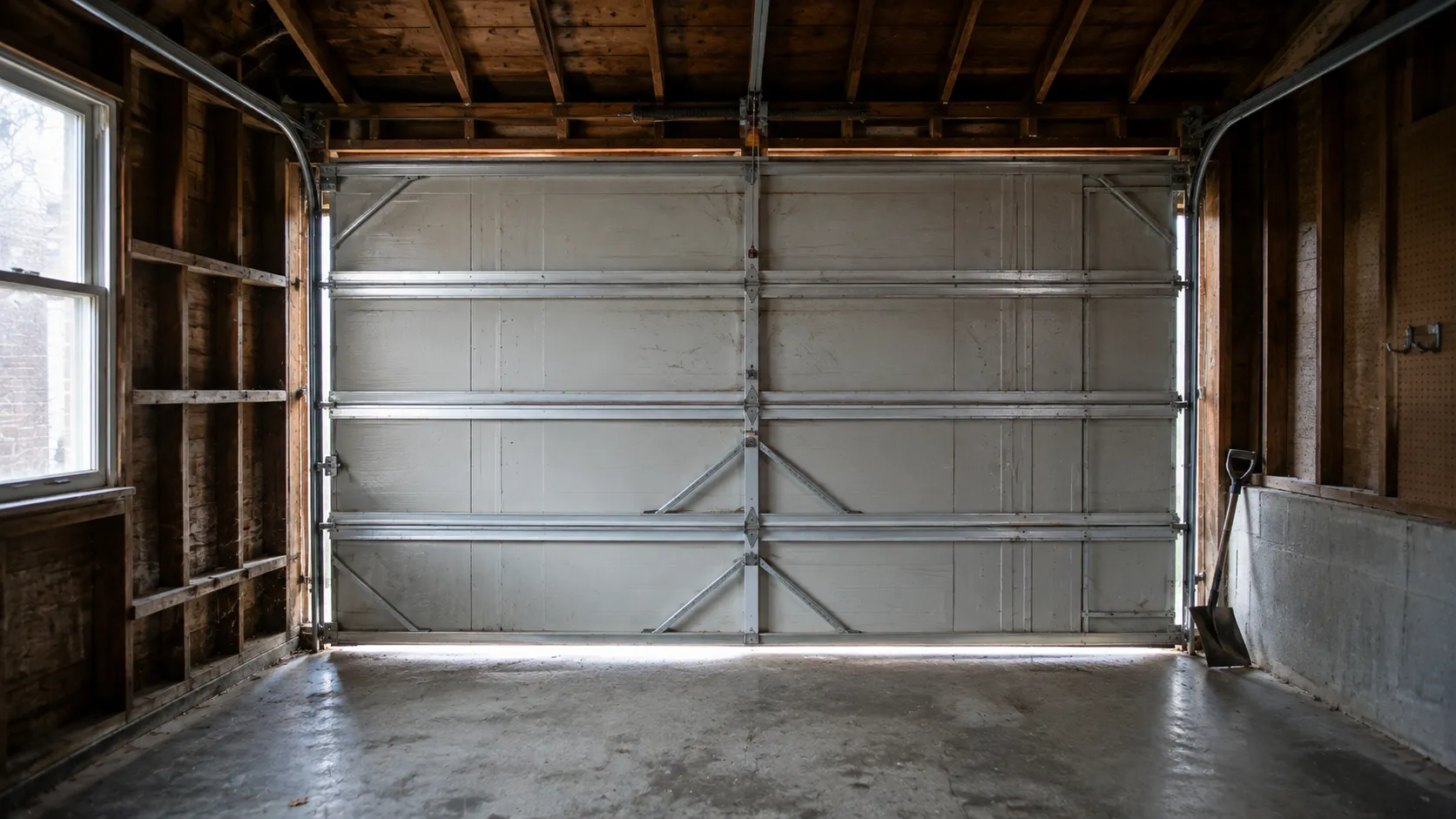
Temecula sits in a mild temperate band, so you won't see the hard freezes that snap springs outright, the way you would somewhere that drops well below freezing for weeks at a time. But mild doesn't mean flat. The swing between a cold December morning and a warm afternoon still stresses the coil, because steel contracts overnight and expands again by noon, and a spring near the end of its cycle life is more likely to let go during that daily flex than on a stable 75-degree day.
When a spring goes in cold weather here, it's usually not the cold itself that broke it. It's a spring that was already down to its last few thousand cycles, and the morning contraction was just the trigger. We see more calls in the cooler months for that reason, not because the metal can't handle a chilly night, but because a tired spring picks the moment of most stress to fail, and a 40-degree morning after a 75-degree afternoon is more stress than a steady 60 degrees ever was.
What we find
How Local Conditions Play In
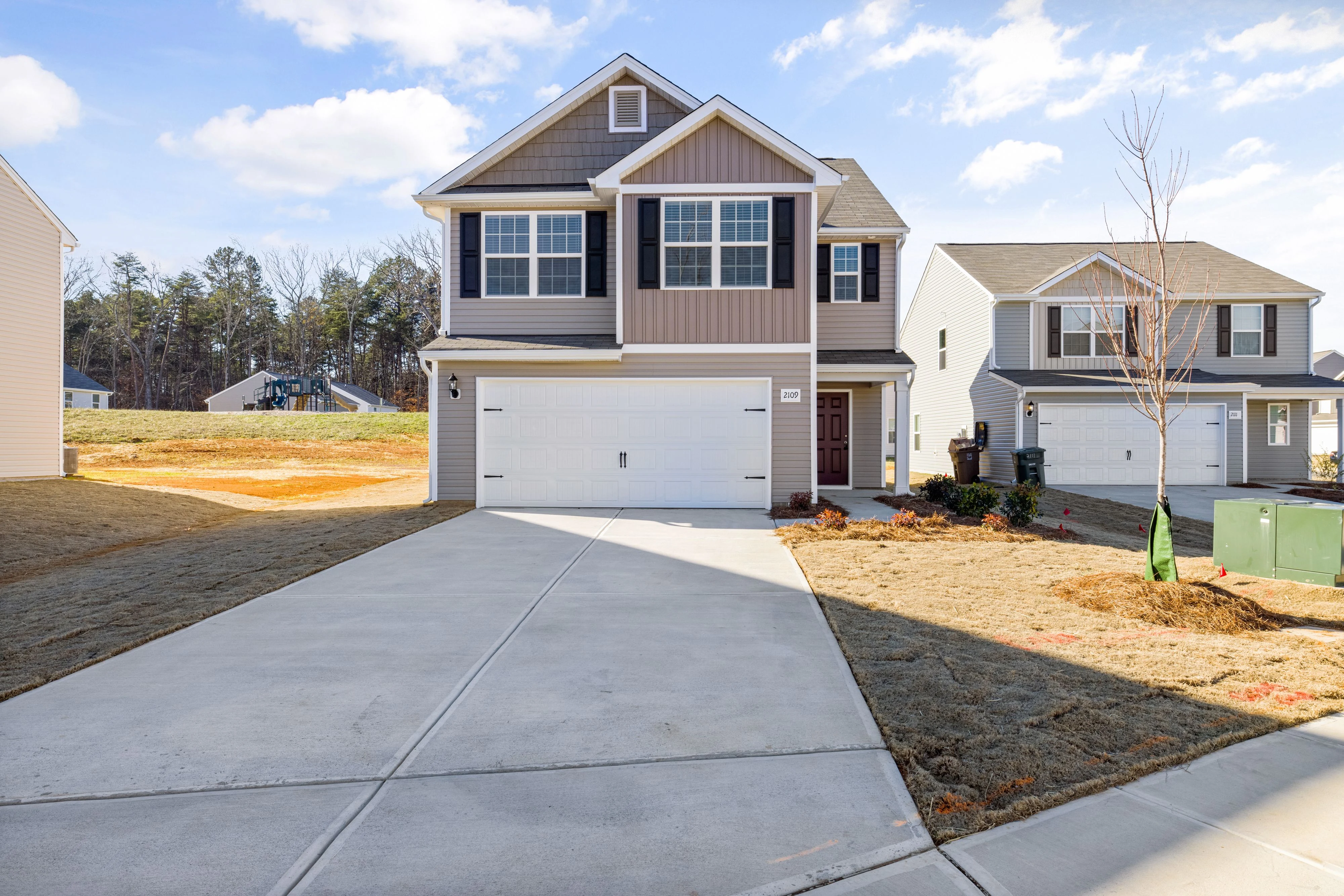
The housing stock across this area runs mostly 1980s and 90s construction, spread across the twenty communities we cover, from Rainbow six miles out to East Hemet twenty miles east, with Fallbrook and Pala both sitting a bit closer at ten miles. That build era is the reason torsion-spring setups dominate what we see on service calls rather than the older extension-spring style. It also means a good share of the doors out there are original to the house or close to it, which puts a lot of springs somewhere in the same stretch of their service life at the same time.
That's not a coincidence you'd find in a town with a wider spread of build years. Head northeast toward Rainbow or French Valley and you're still inside that same mild climate band, but the older tract-built stock near Fallbrook and Pala can run a shade older than the 1984 area median, which sometimes means different mounting hardware on the header than what you'd find on a newer build closer to the center of town.
How we work
What Is Going On
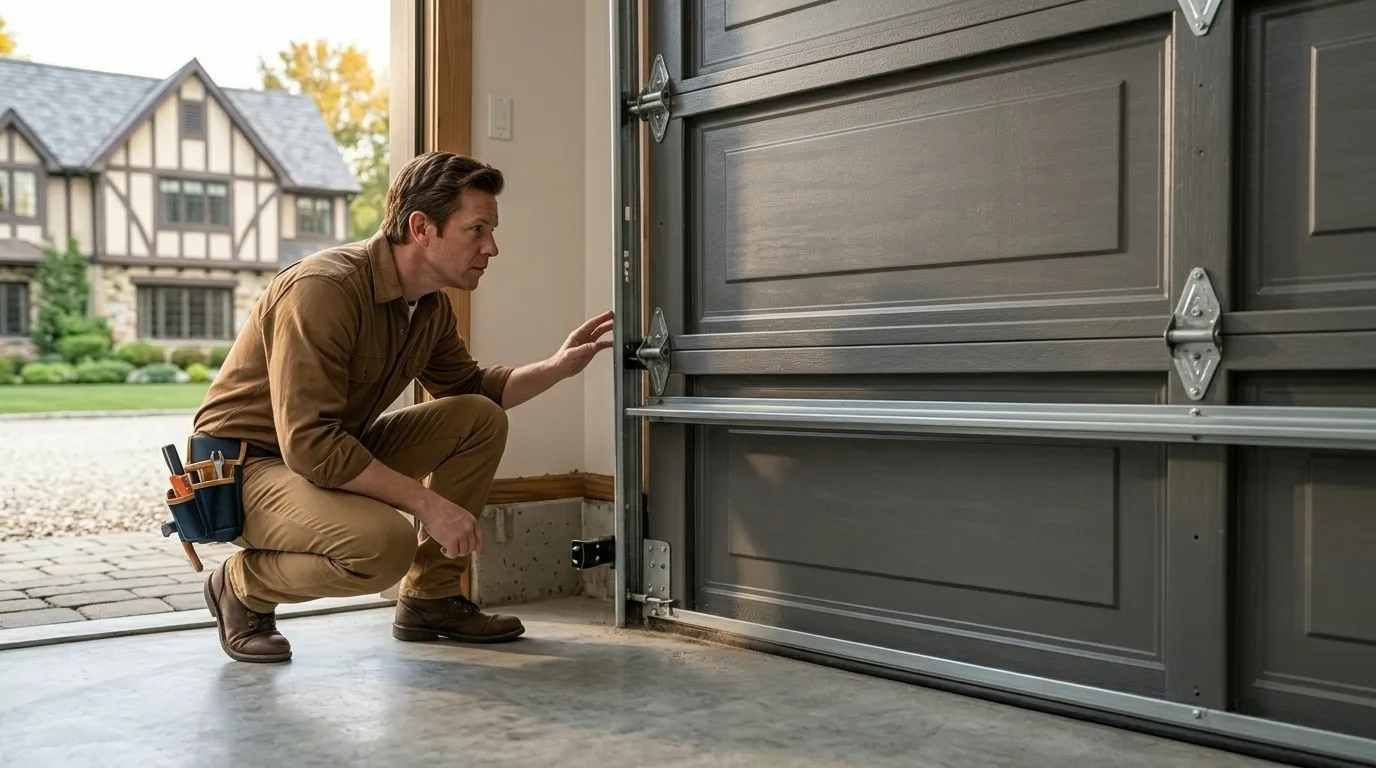
A garage door spring is rated for a number of open-close cycles, typically somewhere in the range most residential torsion springs are built for, and once a spring gets near the end of that count, it's a matter of when, not if. What decides the when is usually daily temperature swing rather than any single weather event, which fits a mild climate area like this one better than it would a place with real winters or real heat waves. Metal fatigue is cumulative.
Every contraction and expansion cycle takes a small amount off the spring's remaining life, and a door that's opened multiple times a day, every day, for a couple of decades has put a lot of those cycles on the coil already. Given that most of the housing here dates to the 1980s and 90s, a fair number of doors are approaching that point around the same stretch of years, which is part of why we see clusters of spring calls rather than a steady trickle spread evenly across all house ages.
Questions
Common questions
Why did my spring break on a cool morning instead of during the summer?
It's the daily swing, not the season. A spring near the end of its life is more likely to fail when the metal contracts overnight and then flexes back as it warms, and that daily contraction-expansion cycle is more stressful on tired steel than a stretch of steady temperature, even a hot one.
Do I need both springs replaced or just the broken one?
Depends on the door and how close the second spring is to its own cycle limit. On a lot of the 1980s and 90s builds around here, both springs went in at the same time and have run the same number of cycles, so the second one is often close behind. We'll check it on site before recommending anything.
Will an older or original garage door spring cost more to replace?
Sometimes, if the wire size or spring length isn't a common stock item anymore. Most homes in this area were built between 1975 and 2009, so we carry the sizes that fit that stock, but an odd builder-grade spring can mean a short order delay rather than a same-visit fix.
Ready when you are
Need a garage door sorted in Temecula?
Temecula Garage Door Pros repairs and installs garage doors, springs and openers in Temecula, CA and the surrounding area.