
Guide
Is Your Older Temecula Garage Door Worth Fixing
A look at when a Temecula garage door from the 1980s-2000s building boom is worth repairing, and when the age of the hardware means replacement makes more sense.
Local detail
The Cost of This Job
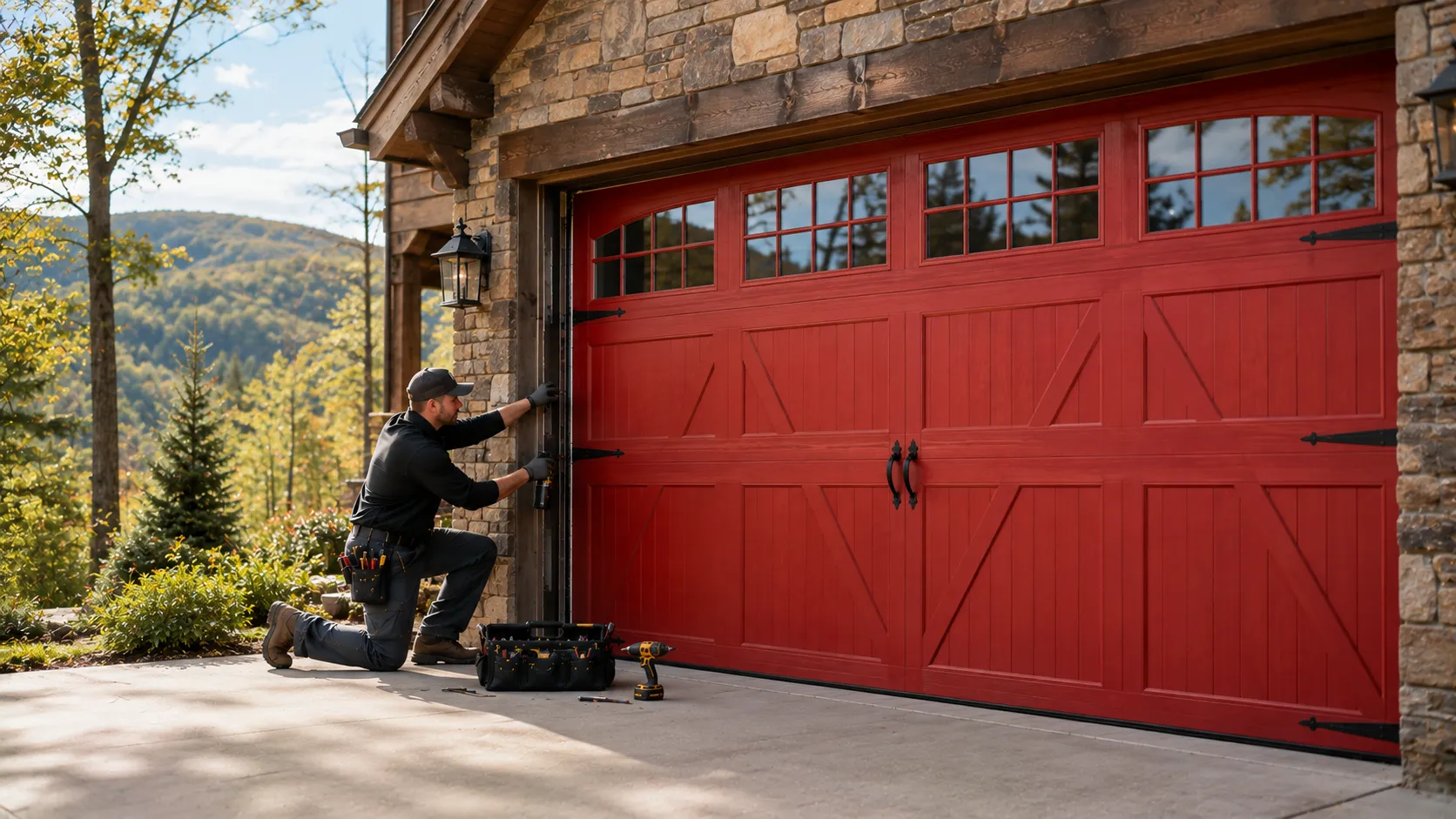
There's no single price for this kind of call, because it depends on what's actually failed and how old the door behind it is. A broken spring or a bent roller on a door that's structurally sound is usually a straightforward repair. A door that's been limping along on its original hardware since the house was built is a different conversation, because you start weighing the cost of one fix against the next one that's probably six months away.
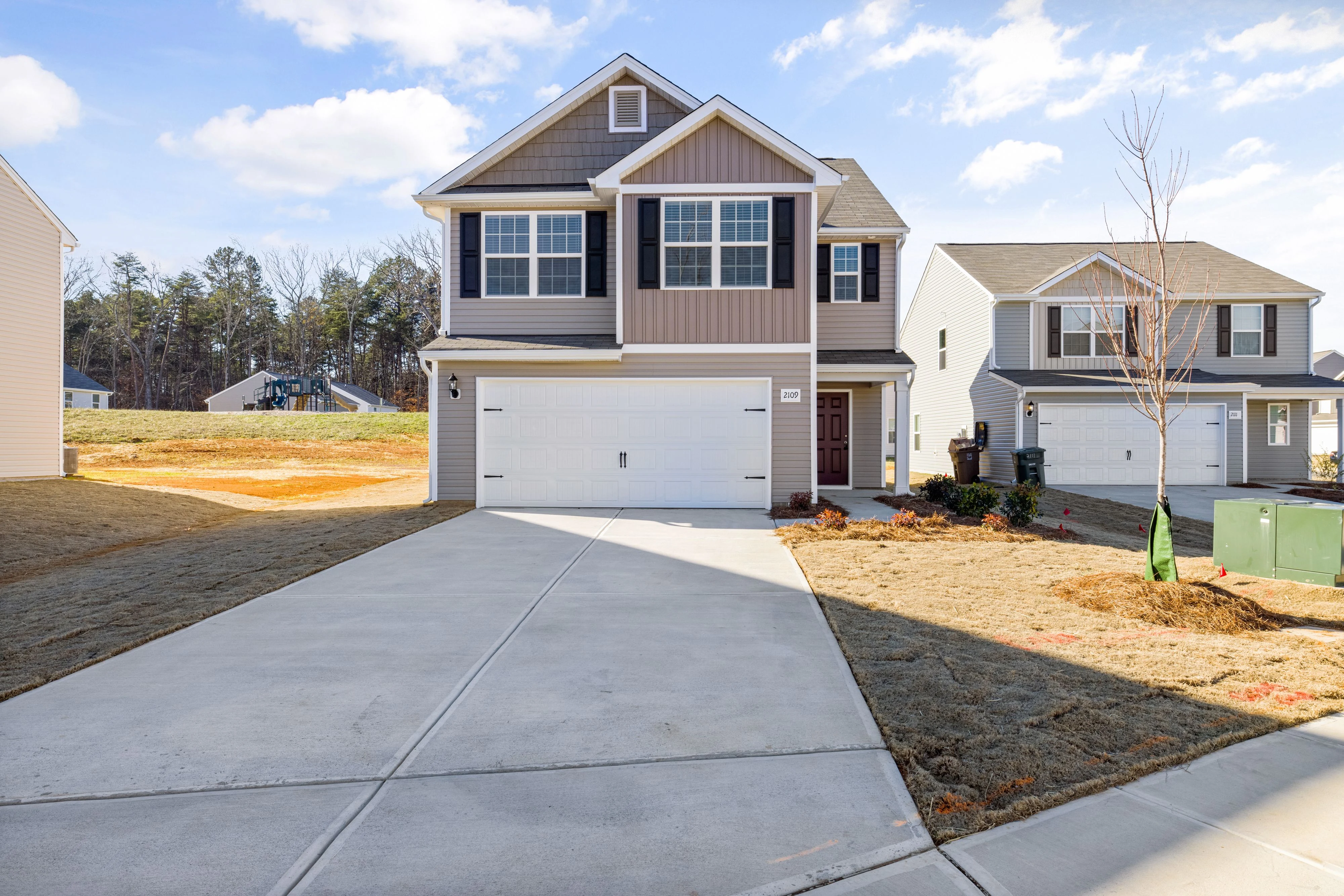
Housing in this part of the service area was mostly built between 1975 and 2009, with the median landing around 1984. That means a lot of the doors we look at are original or close to it, forty-year-old steel sections on hardware that was standard for its decade but isn't always easy to source now. With median household income here at $88,879, a lot of owners can absorb a repair, but plenty also decide it's smarter to stop feeding parts into a door that's near the end of its run rather than keep paying for patches. We'll tell you honestly which side of that line your door is on before we quote anything.
The area
The Seasonal Bit
Temecula sits in a mild temperate climate band, which works in an older door's favor. We don't get the hard freeze-thaw cycles that crack weatherseals, seize up torsion springs, or warp wood panels the way colder inland regions do. That means a door here can run on original hardware longer than the same door would survive somewhere with real winters.
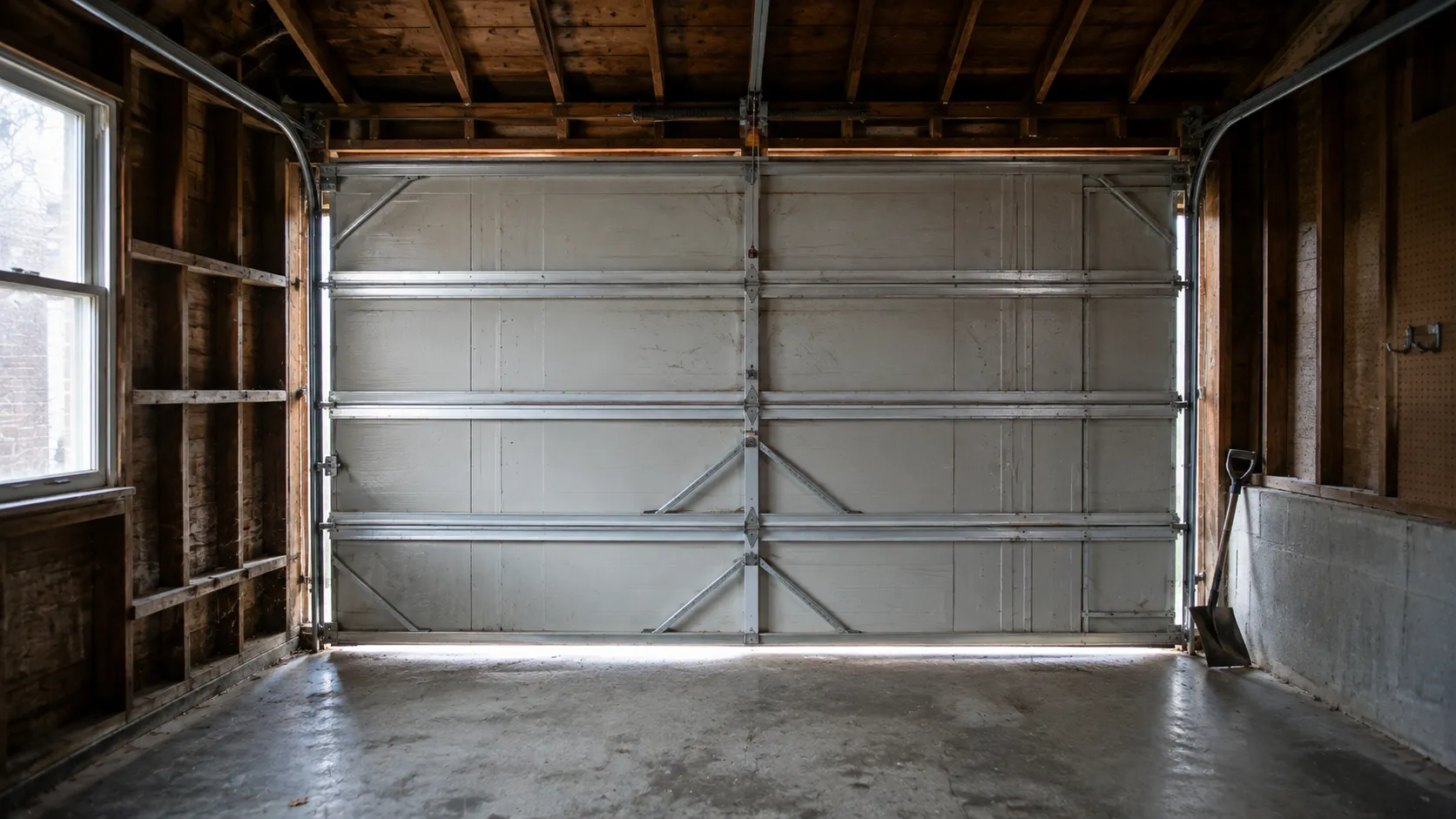
What mild weather doesn't fix is fatigue. A torsion spring is rated for a set number of open-close cycles regardless of temperature, and thirty-plus years of daily use wears out steel the same way here as anywhere. So the seasonal picture for an older Temecula door isn't about storm damage or ice; it's about whether the spring, cables, and rollers have simply reached the end of their cycle count. That's a mechanical question, not a weather one, and it's usually the real reason an old door starts acting up.
What we find
How Local Conditions Play In
Across the twenty communities we cover, from Rainbow six miles out to French Valley, Fallbrook, and Pala at eight to ten miles, and on out to Wildomar, Bonsall, Winchester, Valley Center, and East Hemet toward the twenty-mile mark, the housing stock is heavily 1980s and 90s construction. That's a consistent picture, not a coincidence, and it means the doors we're called out to fix tend to share a era: steel sections, older extension or torsion setups, openers from a couple of generations back.
With 47,581 owner-occupied houses sitting inside a service area of nearly 80,000 households, most of our repair calls come from that same building wave. It's useful context for an owner trying to decide whether to fix or replace, because you're not dealing with a one-off problem. You're dealing with a door that was built to a spec that was normal forty years ago, and the parts market has moved on since then, even if the door itself hasn't given out yet.
How we work
What Is Going On
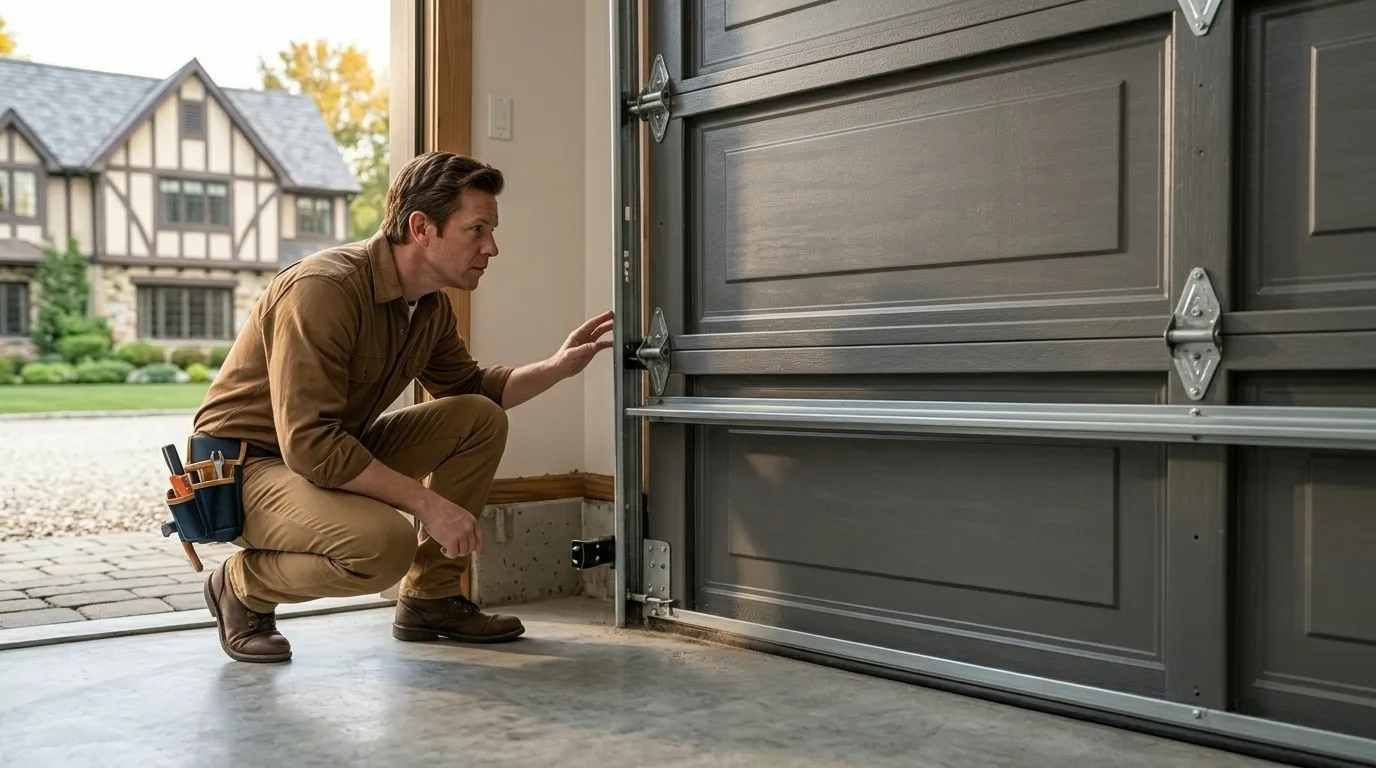
Put the pieces together and the answer for most older Temecula doors is: repair the parts that fail, but go into it expecting more calls if the door is original to a house from the 1975-2009 wave. A spring, a cable, or a set of rollers is worth replacing on its own. Where it stops being worth it is when the track is bent, the panels are rusted through, or the opener is original and starting to fail alongside the door hardware. At that point you're not fixing one thing, you're fixing three things in sequence, and a new door often costs less over two or three years than three separate repair calls.
We won't push a replacement on a door that's got life left in it. If a torsion spring swap or a roller job gets you another several years out of an otherwise sound 1980s or 90s door, that's what we'll recommend. But we also won't quote you repair after repair on a door that's structurally done. Being straight about which situation you're in is the whole point of the visit.
Questions
Common questions
My garage door is original to the house. Is it too old to fix?
Not necessarily. Given how much of the housing here dates to the 1975-2009 range, we see original doors regularly. If the track is straight and the panels aren't rusted through, a spring or roller repair can keep it running. We'll check the frame and hardware before recommending anything, not just quote a replacement on age alone.
Does Temecula's climate wear garage doors out faster?
No, if anything the mild temperate conditions here are easier on a door than a climate with hard freezes. Weatherseals and torsion springs last longer without freeze-thaw stress. What still wears a door out is simple use, cycle count on the spring and rollers over decades, which happens regardless of weather.
When does it stop making sense to keep repairing an old door?
When you're fixing the same door for the second or third unrelated problem in a short stretch, or when the track is bent and the panels are deteriorating along with the hardware. At that point separate repairs start adding up to more than a replacement would cost over a couple of years.
Do you work outside Temecula itself?
Yes, we cover the surrounding area including places like Rainbow, French Valley, Fallbrook, Wildomar, and other communities within about twenty miles, most of which share the same 1980s-90s housing stock we see in Temecula.
Ready when you are
Need a garage door sorted in Temecula?
Temecula Garage Door Pros repairs and installs garage doors, springs and openers in Temecula, CA and the surrounding area.