Rainbow, Temecula

Garage Door Repair for Rainbow Homes

Rainbow's homes date to around 1976, eight years ahead of the area's 1984 median. That older stock means different hardware and different failures. We drive in from Temecula.

Garage Door Repair for Rainbow Homes in Temecula
Serving Temecula, CABackground-checked techsHonest, upfront pricingFast local response

DIY or pro

Doing It Yourself

Rainbow's housing stock centers on 1976, which puts a good share of doors and openers here ahead of the 1984 median across the wider Temecula service area.

Mid-70s hardware replacement history

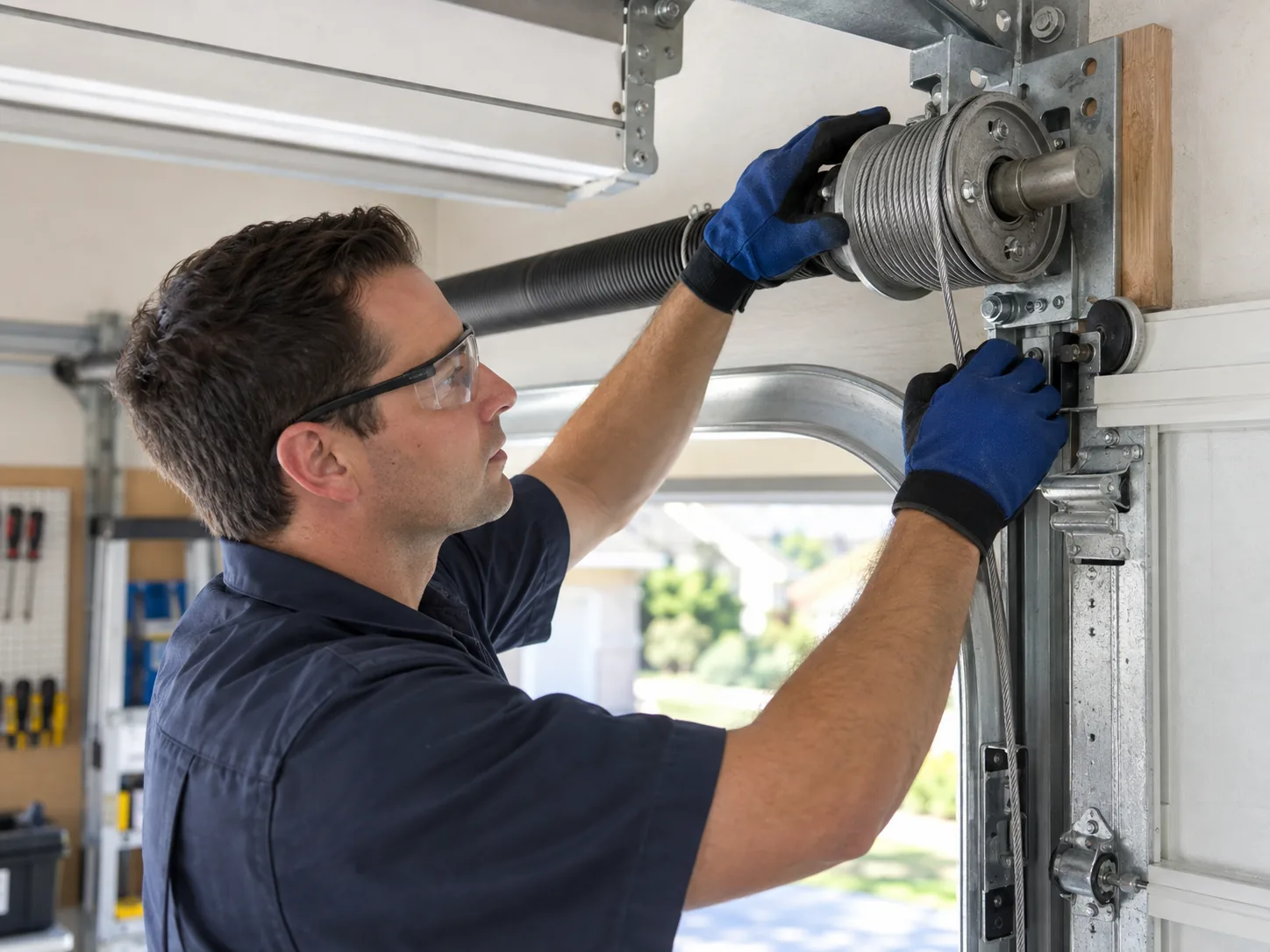
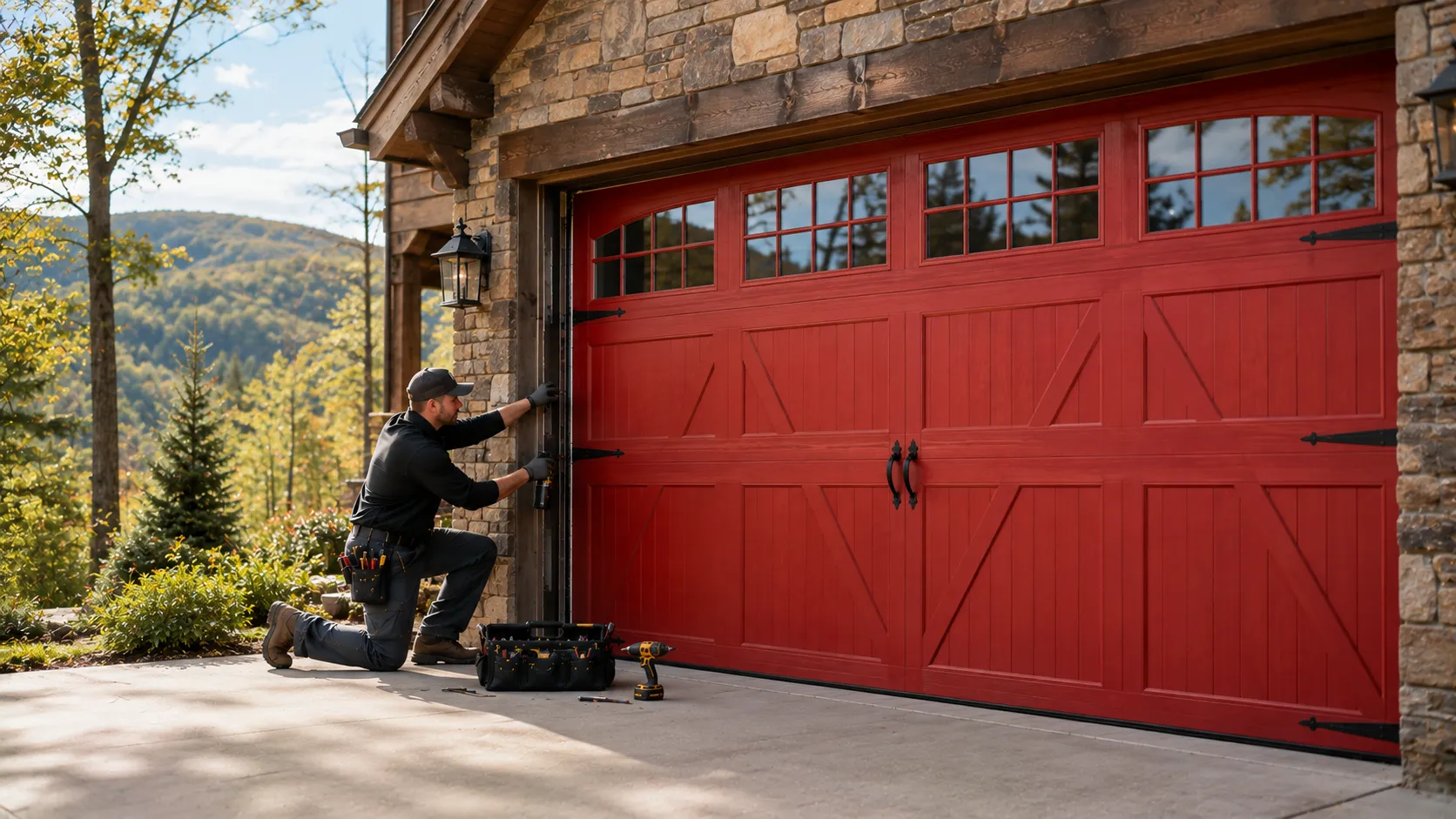
That gap matters because a door built in the mid-70s is more likely to run on hardware that's been replaced once already, or never replaced at all. Before you call anyone, you can do a few things safely: pull the release handle and see if the door moves smoothly by hand (it should, with even resistance, not a jerk), check that the tracks aren't visibly bent, and look at the springs from a distance without touching them.
Torsion spring unwinding danger

What you should not do is loosen the set screws on a torsion spring or try to unwind one yourself - that's stored energy that can break a wrist or worse, and it's not a job for a Saturday afternoon and a socket set.

6-mile Temecula distance

If the door won't budge, or moves unevenly side to side, stop there and call. We're not local to Rainbow - we run out of Temecula, about 6 miles off - so there's a short drive built into any visit, not a same-hour walk-in.

Local causes

What Causes It Around Here

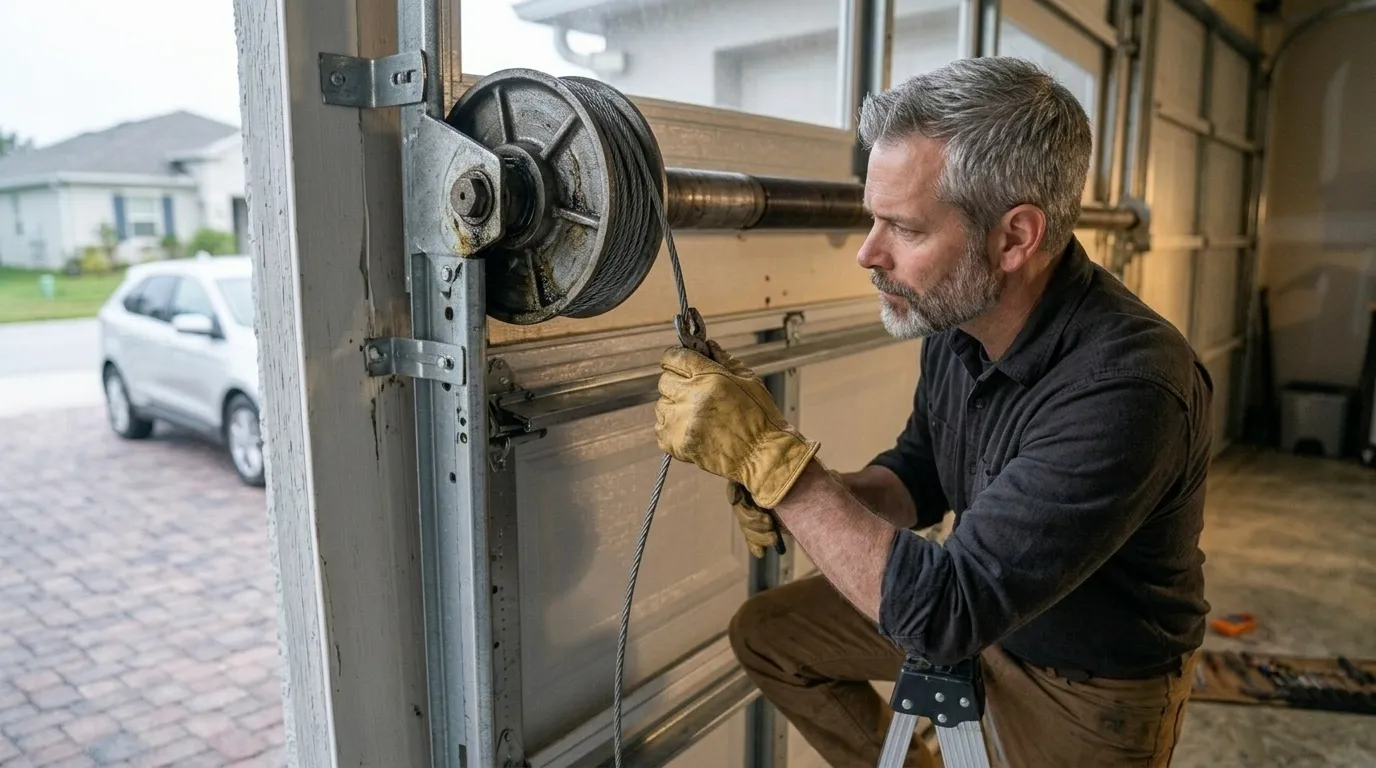
With Rainbow's homes running older than the area median, the failures we see tend to trace back to age rather than abuse. A door installed around 1976 has likely gone through at least one spring replacement by now, sometimes done with mismatched hardware that doesn't match the door's actual weight. That mismatch shows up later as a spring that wears out early or an opener straining to lift a door it was never sized for. The area sits in the mild temperate band that covers this part of the service territory, so we're not dealing with the freeze-thaw cracking or heat-warped panels you'd get in a harsher climate - the wear here is closer to steady mechanical fatigue: rollers grinding down, cables fraying at the drum, hinges loosening from thousands of open-close cycles over decades. It's slower and quieter than storm damage, which is part of why it gets ignored until the door won't move at all.

What Causes It Around Here
How It Shows Up

Warning signs

How It Shows Up

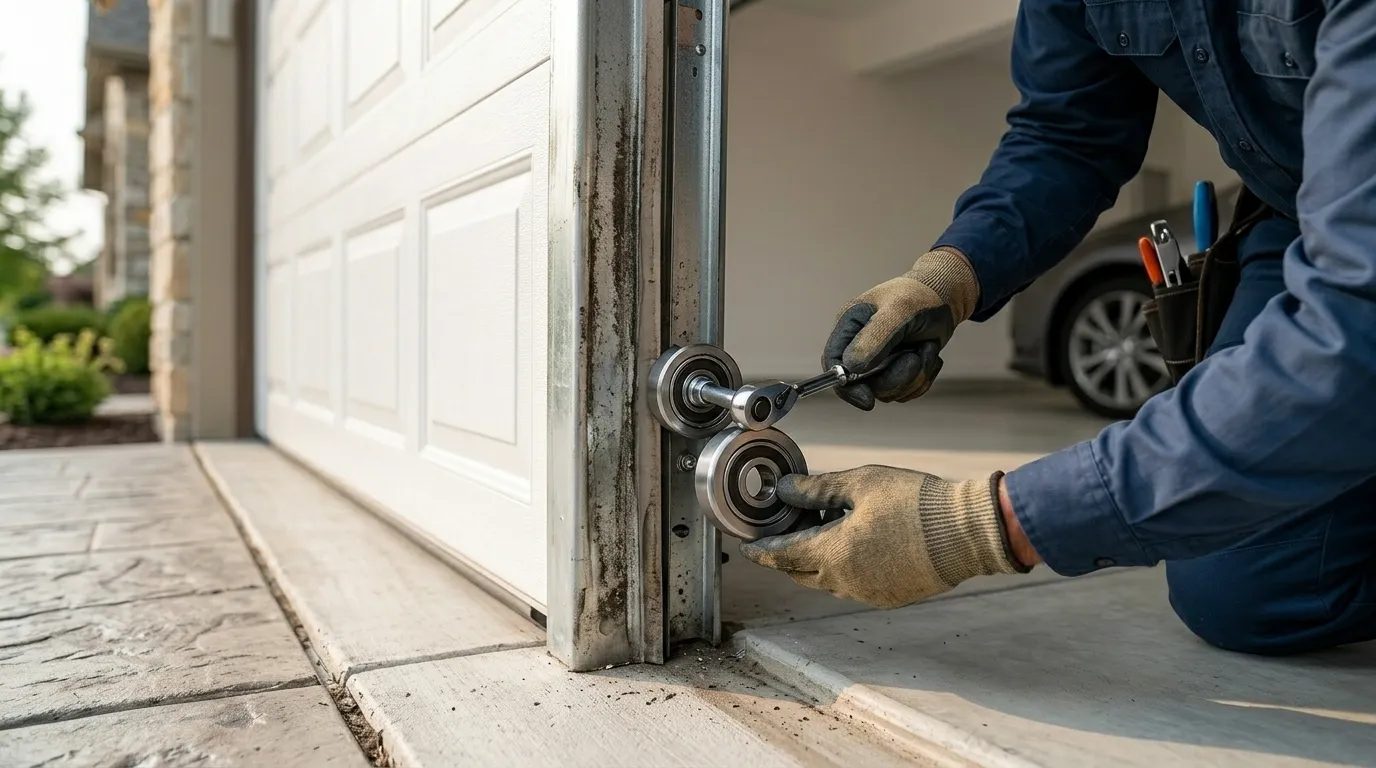
On a door this age, the first sign is usually noise - a grinding or popping sound as the door travels, which often means a roller has flattened out or a hinge has worked loose from the panel. Next is unevenness: one side lifts before the other, which points to a spring that's lost tension while its partner on the other side hasn't. If the door reverses partway up or won't fully close, that's often the opener's travel limits drifting out of adjustment on older units, or a cable that's stretched and needs re-tensioning rather than full replacement. We also see track separation on doors from this era, since the original brackets weren't always torqued to today's spacing standards. None of this is dramatic - it's a door getting slower and louder over months, not failing overnight.

Timing

How Long It Takes

Because we're driving out from Temecula rather than working from a depot in Rainbow, the visit itself starts with that 6-mile trip, which we factor into scheduling rather than promising an on-the-spot arrival.

1976-era part availability

Once we're there, most spring and roller jobs on a door this age run within a normal single visit - the parts are common enough that we're not waiting on a special order for a 1976-era door, unlike some newer proprietary opener models.

Oddly modified hardware reassessment

Where it takes longer is if the original hardware has been modified oddly over the years, which we do see on older stock, and we need to reassess the fix on site rather than off a phone description.

Repair versus replacement value

We'll tell you plainly if a repair isn't worth it against a full door replacement - with a household this size and a door this old, sometimes patching a fourth part isn't the better spend.

Questions

Common questions

Do you have a branch in Rainbow?

No. We're based in Temecula, about 6 miles away, and cover Rainbow from there. There's no local depot, so we build the drive into scheduling rather than offering a walk-in counter.

Why does my door feel older than my neighbor's in Temecula?

Rainbow's housing stock centers on 1976, while the broader service area's median build year is 1984. An eight-year gap in construction era often means original hardware or an earlier round of replacement parts, which behaves differently than newer stock.

Is the mild climate here easier on garage doors?

Yes, relatively. The area sits in a mild temperate band, so we don't see the freeze-thaw cracking or major weather-driven damage you'd get elsewhere. Most wear we find on Rainbow doors is steady mechanical fatigue from age and use, not storm damage.

Should I replace or repair an older door?

It depends on how many parts are already failing. If a door from the 1976 era needs a third or fourth separate repair, replacement often costs less over time than continuing to patch it. We'll tell you honestly which side of that line your door is on.

Ready when you are

Need a garage door sorted in Temecula?

Temecula Garage Door Pros repairs and installs garage doors, springs and openers in Temecula, CA and the surrounding area.

Call NowGet a quote